
Choosing the right visual style is one of the most important decisions when building a brand. Your design choices influence how customers perceive your company, your values, and even your level of professionalism.
One of the biggest debates in modern branding is minimalism vs maximalism. Some brands thrive with clean, simple designs, while others stand out with bold colors, complex visuals, and expressive layouts.
Both styles can be powerful when used correctly. However, selecting the wrong approach can confuse your audience or weaken your brand identity.
For founders, designers, marketers, and creators across industries, understanding these two design styles is essential for building a strong brand visual identity.
we’ll explore the differences between minimalist and maximalist design, when each works best, and how to choose the right visual style for your brand.
Understanding Minimalism vs Maximalism in Brand Design
At its core, the debate of minimalism vs maximalism is about how much visual information you present to your audience.
Minimalism focuses on simplicity and clarity.
Maximalism embraces richness, complexity, and expressive visuals.
Both approaches exist on a spectrum rather than as strict opposites.
Some brands lean strongly toward one style, while others combine elements of both.
What Is Minimalist Brand Design?
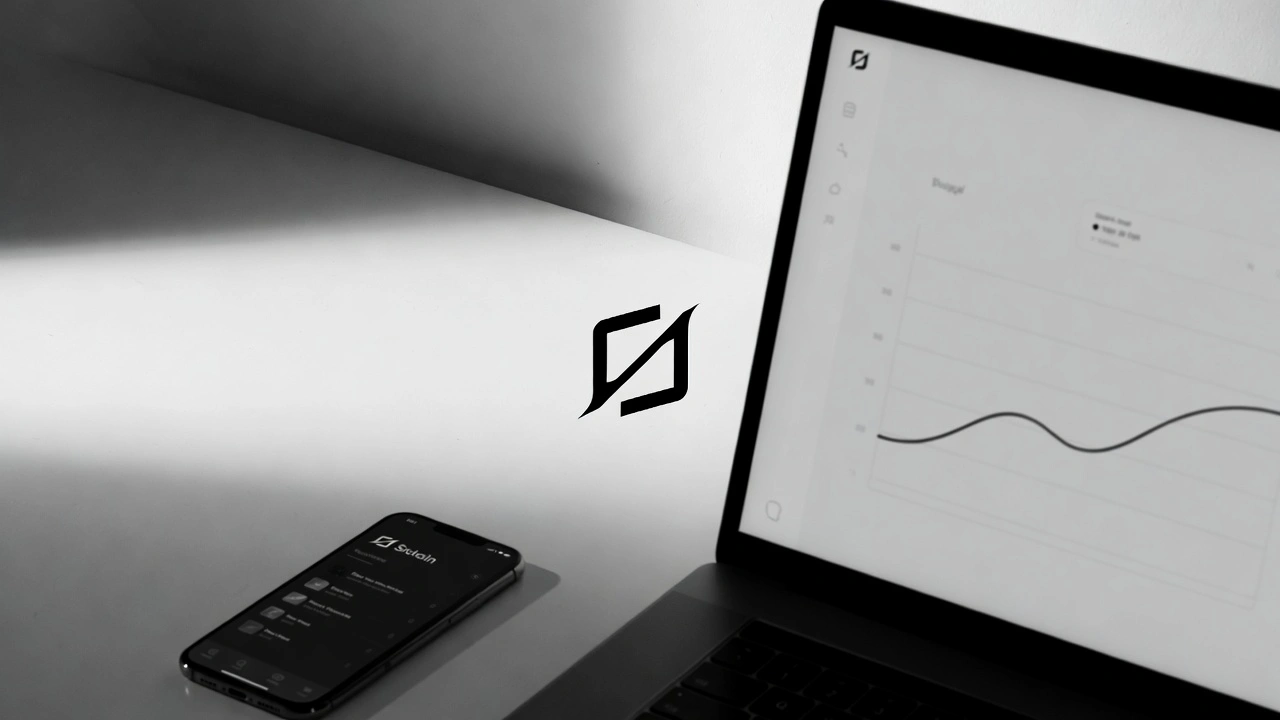
Minimalist brand design emphasizes simplicity. It removes unnecessary visual elements to focus on the most important information.
Key characteristics include:
simple layouts
limited color palettes
strong use of white spac
clean typography
minimal graphics or decoration
The goal is clarity and elegance.
Many technology companies in the United States and Western Europe have adopted minimalist design because it improves usability and readability across digital platforms.
What Is Maximalist Design Style?
In contrast, maximalist design style embraces bold visual expression.
Rather than reducing elements, maximalism often combines multiple colors, textures, and patterns to create an energetic visual experience.
Common features include:
vibrant color combinations
layered graphics
expressive typography
rich imagery
complex compositions
Maximalism is often used by creative brands, entertainment companies, and fashion businesses that want to express personality and emotion.
Why Visual Style Matters for Brand Identity
Your visual style is not just decoration. It communicates meaning.
Design influences how customers interpret your brand in seconds.
For example:
Minimalist designs often signal professionalism, efficiency, and trust.
Maximalist designs often communicate creativity, energy, and personality.
Across global markets—from startups in the United States to lifestyle brands in Western Europe—visual style is a key part of branding design principles.
Choosing the right style helps ensure your brand message aligns with your audience’s expectations.
The Advantages of Minimalist Brand Design
Minimalism has dominated modern design trends for many years, particularly in digital product design.
There are several reasons why many brands choose this approach.
1. Clarity and Usability
Minimalist designs remove distractions.
This helps users focus on the most important elements, such as:
key messages
calls to action
navigation options
For websites and mobile apps, this clarity improves user experience.
2. Strong Professional Perception
Minimalism often communicates sophistication and reliability.
Many financial services and technology companies across industries adopt minimalist branding to reinforce trust.
3. Scalability Across Platforms
Minimalist designs adapt well to different screen sizes and platforms.
Logos and layouts remain recognizable whether they appear on:
mobile devices
social media
billboards
product packaging
This flexibility makes minimalist design effective for global brands.
The Strengths of Maximalist Design
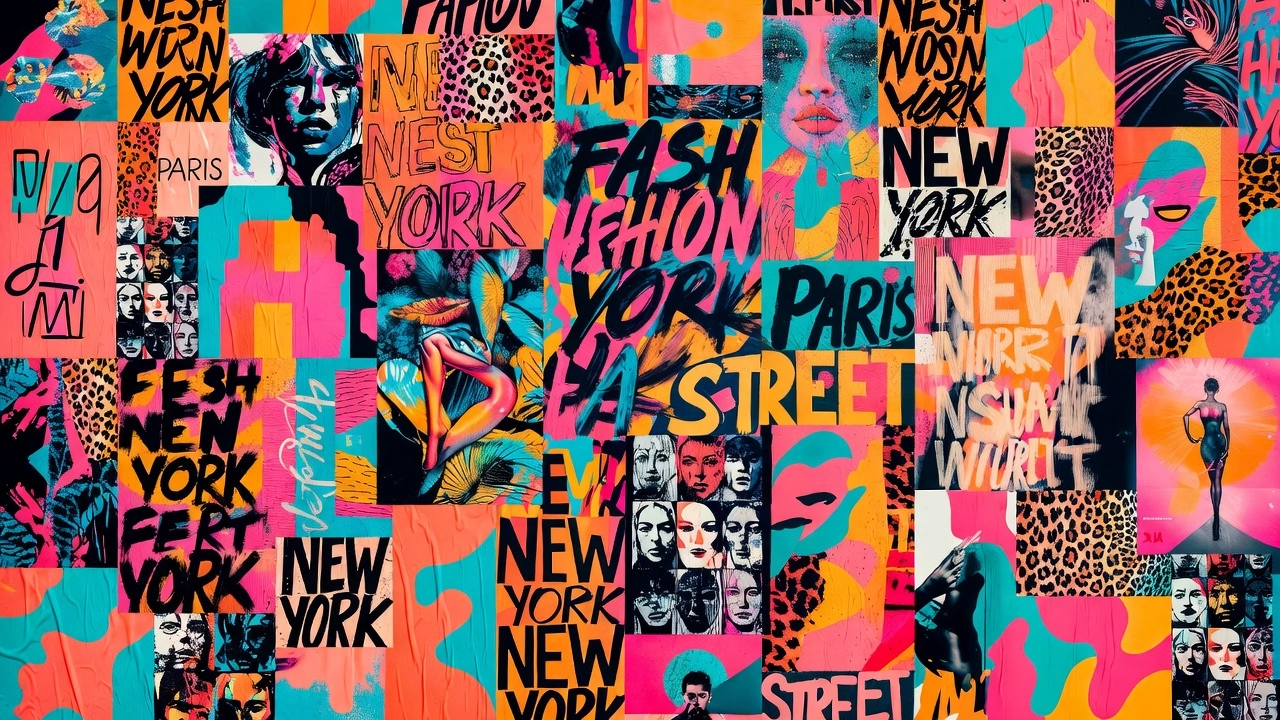
While minimalism dominates many industries, maximalism has gained renewed popularity in recent years.
Brands seeking stronger emotional connections often embrace this style.
1. Strong Visual Impact
Maximalist design stands out immediately.
Bright colors, bold patterns, and dynamic compositions attract attention in crowded digital environments.
This can be especially effective for brands competing for visibility on social media.
2. Expressive Brand Personality
Maximalism allows brands to communicate personality and creativity.
For example:
fashion brands in London or Paris may use vibrant visuals to express individuality
entertainment brands may adopt playful design styles
This approach works well when brand identity is closely tied to creativity.
3. Emotional Engagement
Complex visual environments can create memorable experiences.
When used effectively, maximalist design can feel immersive and exciting.
Minimalism vs Maximalism in Different Industries
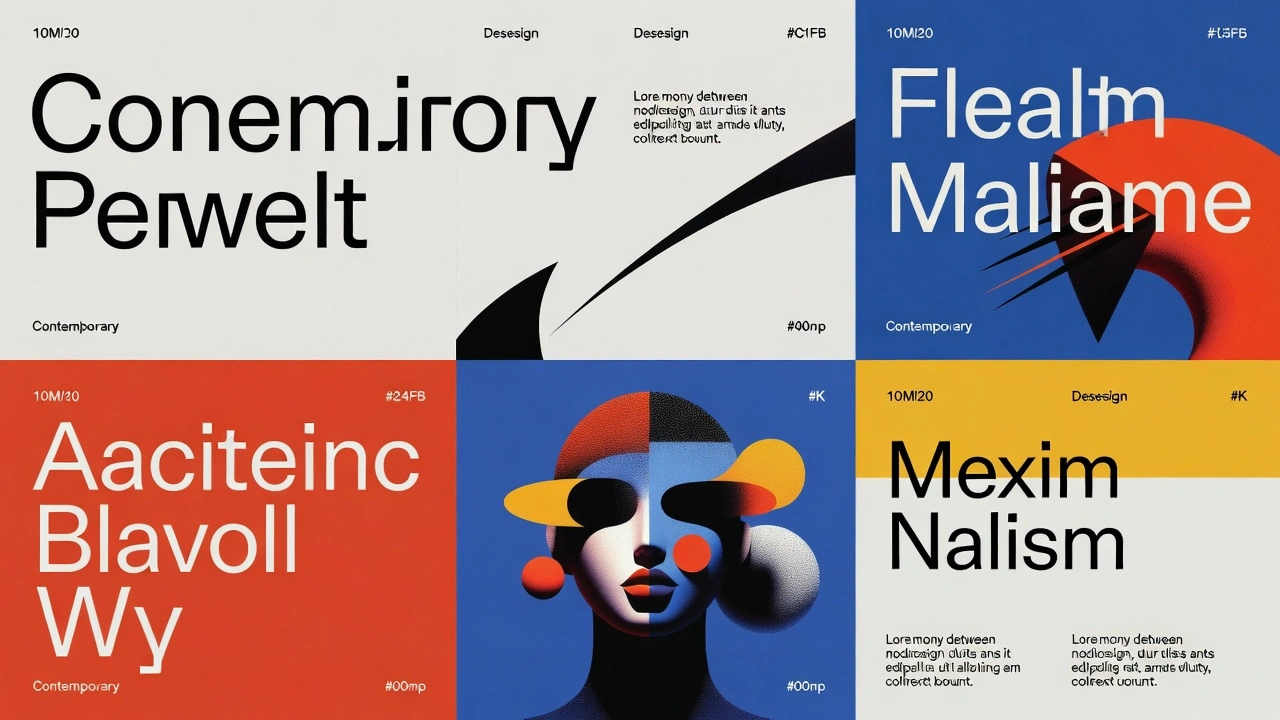
Not every design style works equally well in every industry.
Understanding industry expectations can help guide your visual branding strategy.
Technology and SaaS
Many software companies in the United States, Canada, and Western Europe prefer minimalist design.
Reasons include:
better usability
easier navigation
professional perception
Clean interfaces help users complete tasks efficiently.
Fashion and Lifestyle Brands
Lifestyle brands often lean toward maximalism.
These industries prioritize:
creativity
visual storytelling
emotional appeal
Bold visuals help differentiate brands in competitive markets.
E-commerce Platforms
E-commerce companies often combine both styles.
Product pages may be minimalist to highlight products, while marketing campaigns use richer visuals.
This balanced approach supports both usability and brand storytelling.
A Simple Framework for Choosing Your Brand Style
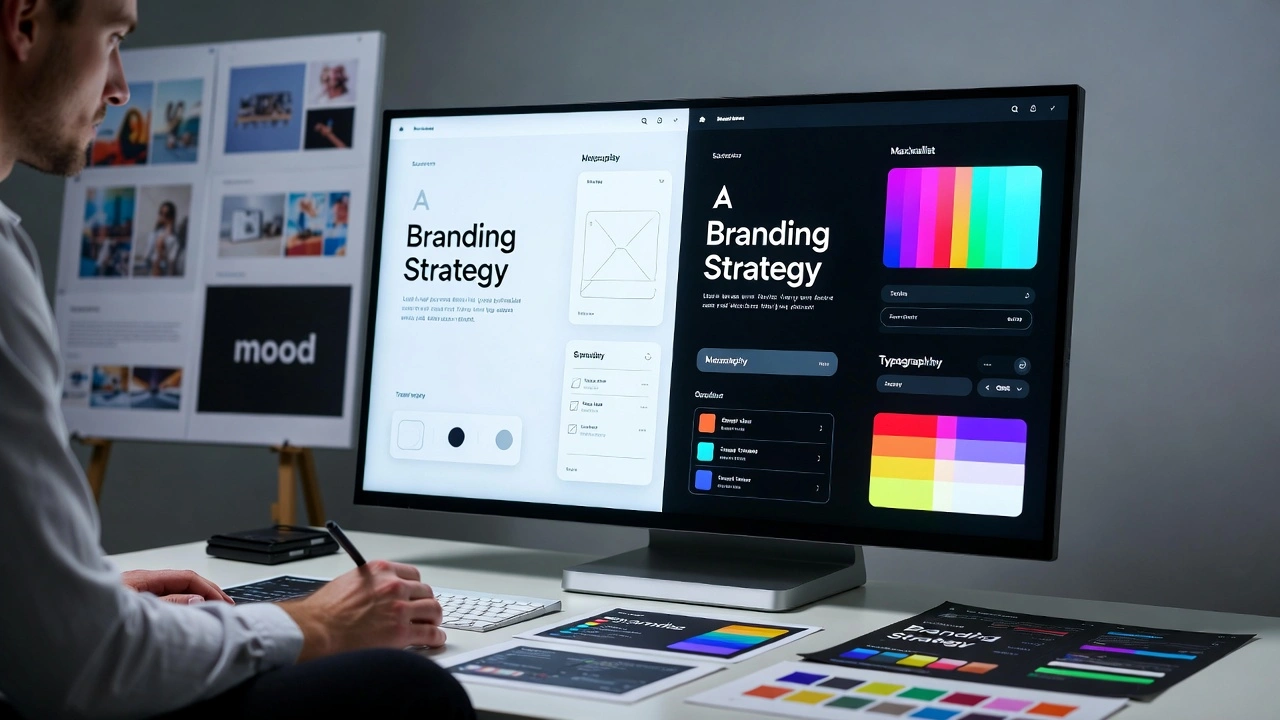
Instead of following trends blindly, brands should choose a visual style based on strategic considerations.
Here is a practical framework.
Step 1: Define Your Brand Personality
Ask key questions such as:
Is your brand calm or energetic?
Professional or playful?
Premium or approachable?
Minimalism often suits calm, professional brands.
Maximalism often suits energetic, creative brands.
Step 2: Understand Your Audience
Audience expectations vary across industries and regions.
For example:
Business software buyers in the US may prefer clarity and simplicity.
Creative audiences in parts of Europe may respond well to expressive visual styles.
Understanding your audience helps guide visual decisions.
Step 3: Evaluate Your Product or Service
The complexity of your product also influences design style.
Complex products often benefit from minimalist interfaces that simplify information.
Highly visual products may benefit from richer design environments.
Step 4: Consider Long-Term Scalability
Your visual style should remain effective as your brand grows.
Consider how your design will work across:
websites
mobile apps
marketing materials
packaging
A scalable design system prevents future redesign challenges.
Combining Minimalism and Maximalism
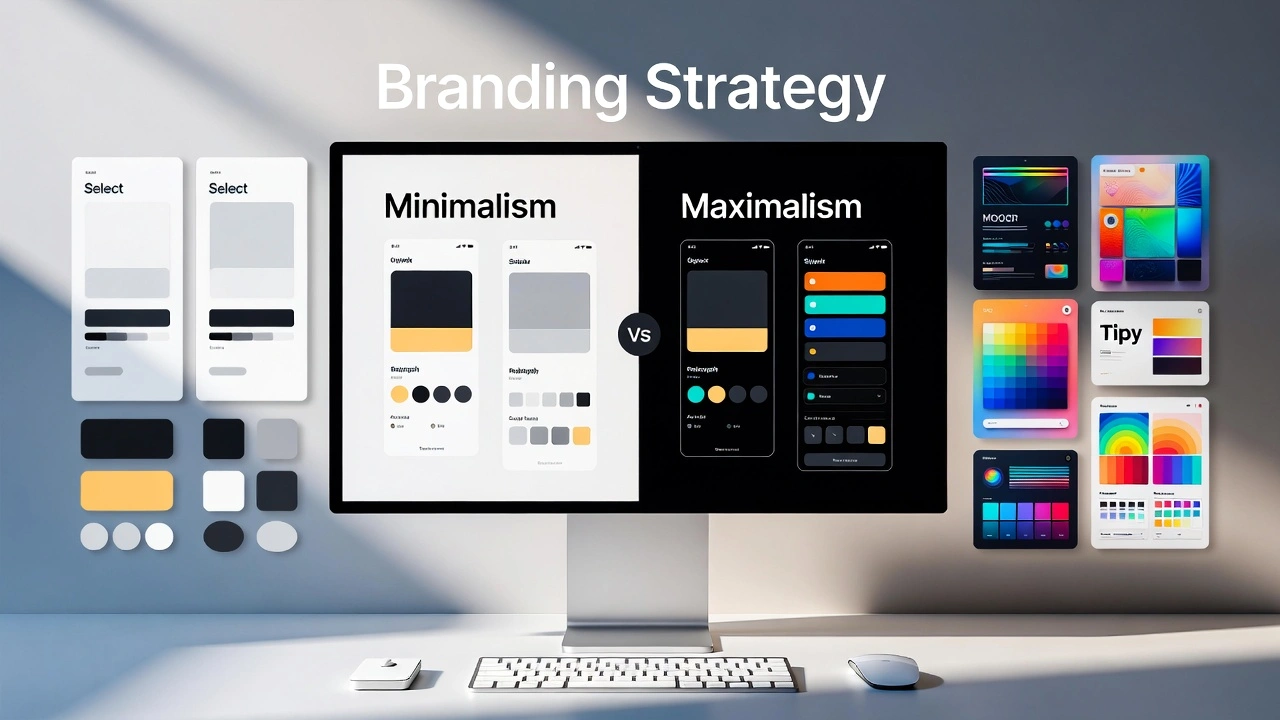
The reality is that many modern brands combine elements of both styles.
This approach can offer the best of both worlds.
Minimal Structure with Bold Accents
One common strategy is maintaining a minimalist layout while adding expressive elements such as:
bold color accents
striking photography
distinctive typography
This creates visual interest without overwhelming the user.
Visual Hierarchy Through Contrast
Minimalism and maximalism can work together to highlight key elements.
For example:
a minimalist page layout
combined with bold call-to-action buttons
This contrast naturally guides user attention.
Common Branding Mistakes to Avoid
Choosing a design style is important, but implementation also matters.
Here are common mistakes brands should avoid.
Following Trends Instead of Strategy
Design trends change quickly.
A style that feels modern today may feel outdated in a few years.
Your brand identity should be based on strategy, not trends.
Overcomplicating Maximalist Design
Maximalism requires careful balance.
Too many visual elements can create confusion rather than impact.
Every design element should still serve a purpose.
Oversimplifying Minimalist Design
Minimalism does not mean removing everything.
If designs become too empty, users may struggle to understand the content.
Balance is key.
Practical Tips for Strong Visual Branding
Whether you choose minimalism or maximalism, these principles help create stronger branding.
Maintain Consistency
Consistency across platforms strengthens brand recognition.
Use the same colors, typography, and visual patterns wherever your brand appears.
Prioritize Readability
Typography should always remain clear and readable, regardless of style.
Even maximalist designs must maintain clear communication.
Test with Real Users
Before committing to a new visual style, gather feedback.
User testing can reveal whether your design communicates the intended message.
The Future of Brand Visual Styles
Design trends evolve as technology and culture change.
In recent years, designers have seen a growing interest in combining minimalist structures with expressive visual elements.
This hybrid approach allows brands to remain functional while still expressing personality.
For global companies serving audiences across major economies.
Brands that remain flexible can adjust their visual style while maintaining a consistent identity.
Conclusion: Choosing the Right Visual Language for Your Brand
The debate between minimalism vs maximalism is not about which style is better.
It is about choosing the style that best reflects your brand identity and supports your audience’s needs.
Minimalism offers clarity, scalability, and professionalism.
Maximalism delivers creativity, energy, and strong visual impact.
Many successful brands combine elements of both approaches to create balanced visual identities.
The key is to make design decisions intentionally rather than following trends.
Next step:
Review your current branding materials and evaluate whether your visual style truly reflects your brand personality and audience expectations. Small design adjustments can significantly strengthen your brand presence.
FAQ
What is the difference between minimalism and maximalism in design?
Minimalism focuses on simplicity, clean layouts, and limited visual elements, while maximalism embraces bold colors, rich visuals, and expressive compositions.
Which design style is better for branding?
Neither style is universally better. The right choice depends on your brand personality, industry, and target audience.
Can a brand combine minimalism and maximalism?
Yes. Many modern brands use minimalist layouts with bold accents or expressive visuals to balance clarity with creativity.
Why do many tech companies prefer minimalist design?
Minimalist design improves usability, readability, and scalability across digital platforms, which is essential for software products and apps.
How do I choose the right visual style for my brand?
Start by defining your brand personality, understanding your audience, evaluating your product, and ensuring the design style can scale across platforms.