Every modern organization runs on data. Sales numbers, customer feedback, website analytics, operational reports—leaders today have access to more information than ever before. Yet having data doesn’t automatically lead to better decisions.
Many executives still struggle with a simple challenge: How do we turn massive amounts of data into clear, confident decisions?
This is where machine learning for decision making becomes a powerful advantage.
Machine learning—one of the core technologies behind artificial intelligence—can analyze patterns across millions of data points, identify trends humans might miss, and deliver actionable insights in seconds. From startups in the United States to large enterprises in Europe, organizations are using machine learning to make faster, smarter, and more strategic decisions.
you’ll learn:
How machine learning improves leadership decisions
Real-world examples from the US and Europe
Practical ways organizations apply predictive analytics
Common mistakes leaders should avoid
How to start using AI-driven insights in your organization
Let’s explore how businesses are moving from raw data to confident decisions.
The Leadership Challenge: Too Much Data, Not Enough Insight
Over the past decade, the world has entered what analysts often call the data economy. Organizations collect information from:
CRM systems
website analytics
supply chains
marketing platforms
customer support interactions
financial records
For large companies, this can mean terabytes of data every day. However, data alone doesn’t solve problems. Leaders often face three key challenges:
1. Information Overload
Executives can receive dozens of reports weekly. Sorting through them manually is time-consuming and inefficient.
2. Delayed Decision Making
By the time teams analyze data and create reports, the opportunity may already be gone.
3. Human Bias
Even experienced leaders can misinterpret patterns or rely too heavily on intuition.
This is where AI-driven decision making changes the game. Machine learning systems can analyze huge datasets continuously and surface insights instantly.
What Is Machine Learning and Why It Matters for Leaders
Before diving deeper, let’s simplify the concept.
Machine learning is a type of artificial intelligence that allows computers to learn patterns from data and make predictions or recommendations without being explicitly programmed for every situation.
Instead of relying on static rules, machine learning systems improve as they process more data. For leaders, this means:
Better forecasts
Faster insights
Reduced uncertainty
More confident strategic planning
A Simple Example
Imagine a retail company deciding how much inventory to order for the holiday season. Traditionally, managers might review last year’s sales and make an educated guess. With machine learning in business strategy, the system can analyze:
previous sales data
weather patterns
marketing campaigns
regional trends
economic indicators
Within seconds, it can predict future demand with far greater accuracy.
How Machine Learning Improves Business Decision Making

Machine learning enhances leadership decisions in several key ways.
1. Predicting Future Outcomes
One of the most powerful applications of predictive analytics for business is forecasting. Machine learning models can estimate:
future sales
customer churn
product demand
market trends
Example: Retail Forecasting
Major retailers in the United States use predictive analytics to forecast demand across thousands of stores. This reduces overstocking and shortages.
Even small companies can now access similar tools through modern analytics platforms. The result?
lower operational costs
improved customer satisfaction
better financial planning
2. Detecting Patterns Humans Miss
Humans are good at intuition, but poor at analyzing large datasets. Machine learning algorithms can process millions of data points and detect patterns such as:
emerging market trends
customer behavior shifts
supply chain inefficiencies
Example: European Manufacturing
Manufacturing companies across Germany and Northern Europe increasingly use AI to monitor factory equipment. Machine learning systems analyze sensor data to predict when machines might fail. This approach—called predictive maintenance—helps companies:
reduce downtime
avoid costly repairs
improve productivity
A single prevented failure could save anywhere from $50,000 to several million dollars, depending on the industry.
3. Enabling Real-Time Decision Making
In many industries, timing matters as much as accuracy. Machine learning systems can process data in real time, allowing leaders to respond instantly to changing conditions.
Examples include:
dynamic pricing in airlines
fraud detection in banking
supply chain optimization in logistics
A logistics company in the United Kingdom, for example, may use AI systems to continuously optimize delivery routes based on:
traffic patterns
fuel prices
weather conditions
delivery demand
This leads to faster deliveries and lower costs.
Practical Applications Across Industries
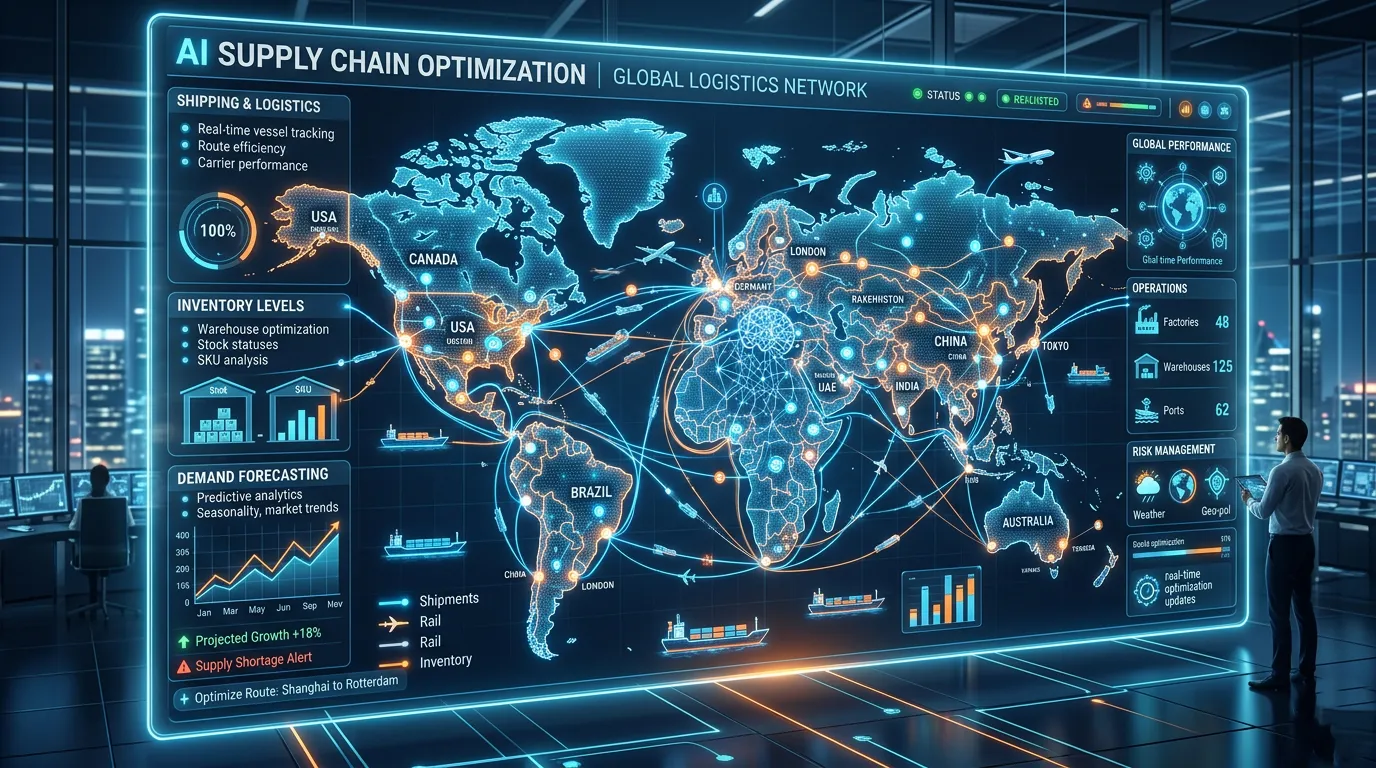 Machine learning for decision making isn’t limited to tech companies. It is transforming industries across the world.
Let’s look at several practical applications.
Finance: Smarter Risk Assessment
Banks and fintech companies rely heavily on AI for business decision making. Machine learning helps evaluate:
credit risk
fraud detection
investment opportunities
For example, financial institutions in the United States and Europe use AI to analyze thousands of variables when assessing loan applications.
This improves accuracy while reducing bias.
Marketing: Data-Driven Customer Insights
Modern marketing teams rely on data analytics for leaders to understand customer behavior. Machine learning can help businesses:
identify high-value customers
predict purchasing behavior
personalize marketing campaigns
For instance, an online retailer in Canada might use AI to recommend products based on:
browsing history
past purchases
seasonal trends
These recommendations often increase sales and customer satisfaction.
Healthcare Operations
Hospitals and healthcare systems increasingly use machine learning for operational decisions such as:
staffing optimization
patient scheduling
resource allocation
However, decisions involving medical diagnosis should always involve qualified professionals.
Supply Chains
Global supply chains are complex and constantly changing. Machine learning helps companies optimize:
inventory levels
shipping routes
supplier selection
A manufacturer in Western Europe might use AI models to evaluate suppliers based on delivery reliability, pricing trends, and geopolitical risks.
A Simple Framework Leaders Can Use
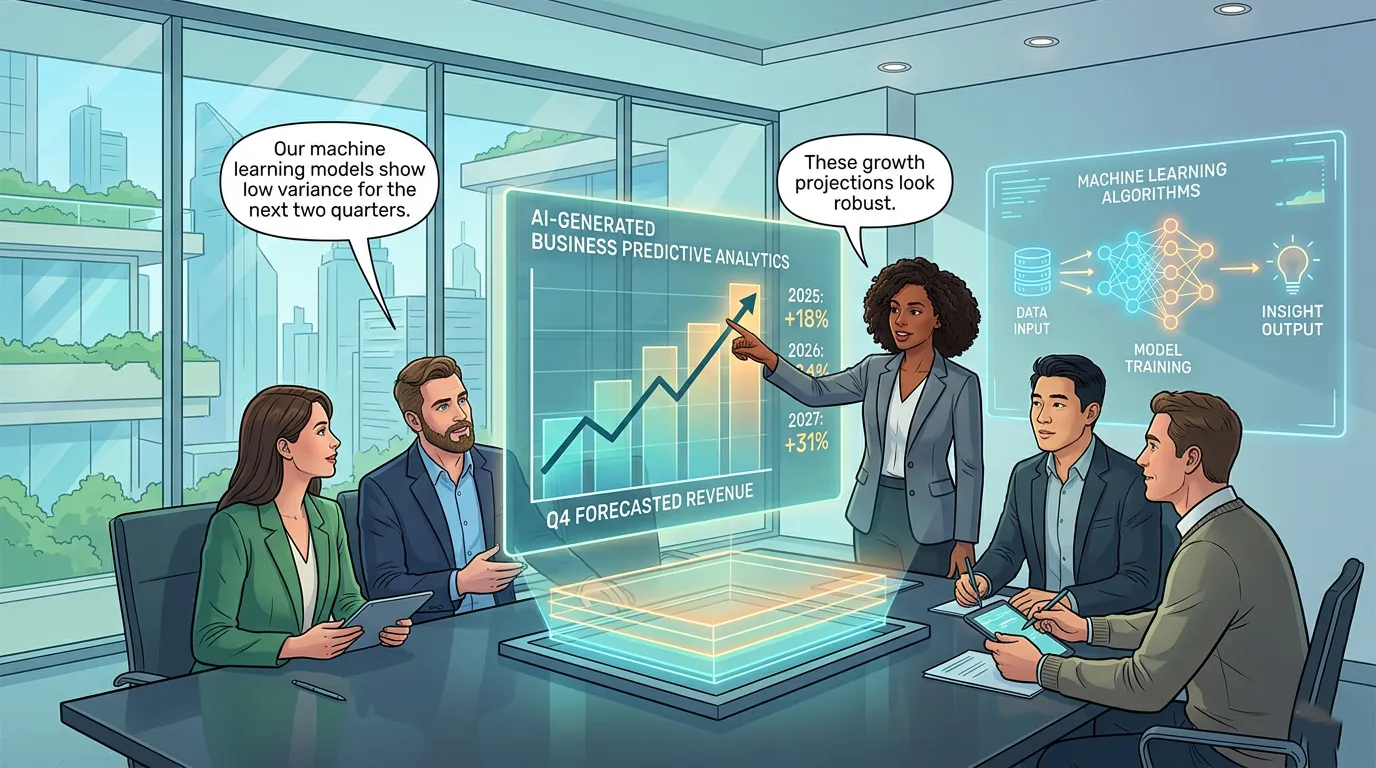
For leaders who want to start using machine learning insights, the process doesn’t need to be complicated. Here is a simple four-step framework.
Step 1: Identify High-Impact Decisions
Start by asking:
Which decisions are made frequently?
Which ones involve large amounts of data?
Which ones carry significant financial impact?
Examples include:
pricing strategies
demand forecasting
marketing spend allocation
Step 2: Gather Clean, Reliable Data
Machine learning models are only as good as the data they receive. Focus on:
data quality
consistent formats
removing duplicates
integrating systems
Many companies discover that data preparation is the most important step.
Step 3: Use AI Tools or Analytics Platforms
Today, leaders don’t need to build AI systems from scratch. Popular tools include:
business intelligence platforms
predictive analytics software
cloud-based AI services
Many platforms offer low-code or no-code machine learning tools.
Step 4: Combine AI Insights With Human Judgment
Machine learning provides insights, but leaders still make the final decisions. The most effective organizations combine:
data-driven insights
industry experience
ethical considerations
This hybrid approach produces the best results.
Common Mistakes Leaders Should Avoid
While machine learning is powerful, many organizations struggle when adopting it. Here are some common pitfalls.
1. Expecting Instant Results
AI systems require time to train and improve. Organizations should think of machine learning as a long-term capability, not a quick fix.
2. Ignoring Data Quality
Poor data leads to unreliable insights. Companies should invest in:
data governance
clean data pipelines
consistent reporting standards
3. Over-Automating Decisions
Not every decision should be automated. Sensitive areas—such as hiring, healthcare, or financial approvals—still require human oversight.
4. Lack of Leadership Understanding
Leaders do not need to be data scientists, but they should understand basic AI capabilities and limitations. Organizations that invest in leadership education tend to adopt AI more successfully.
The Future of AI-Driven Decision Making
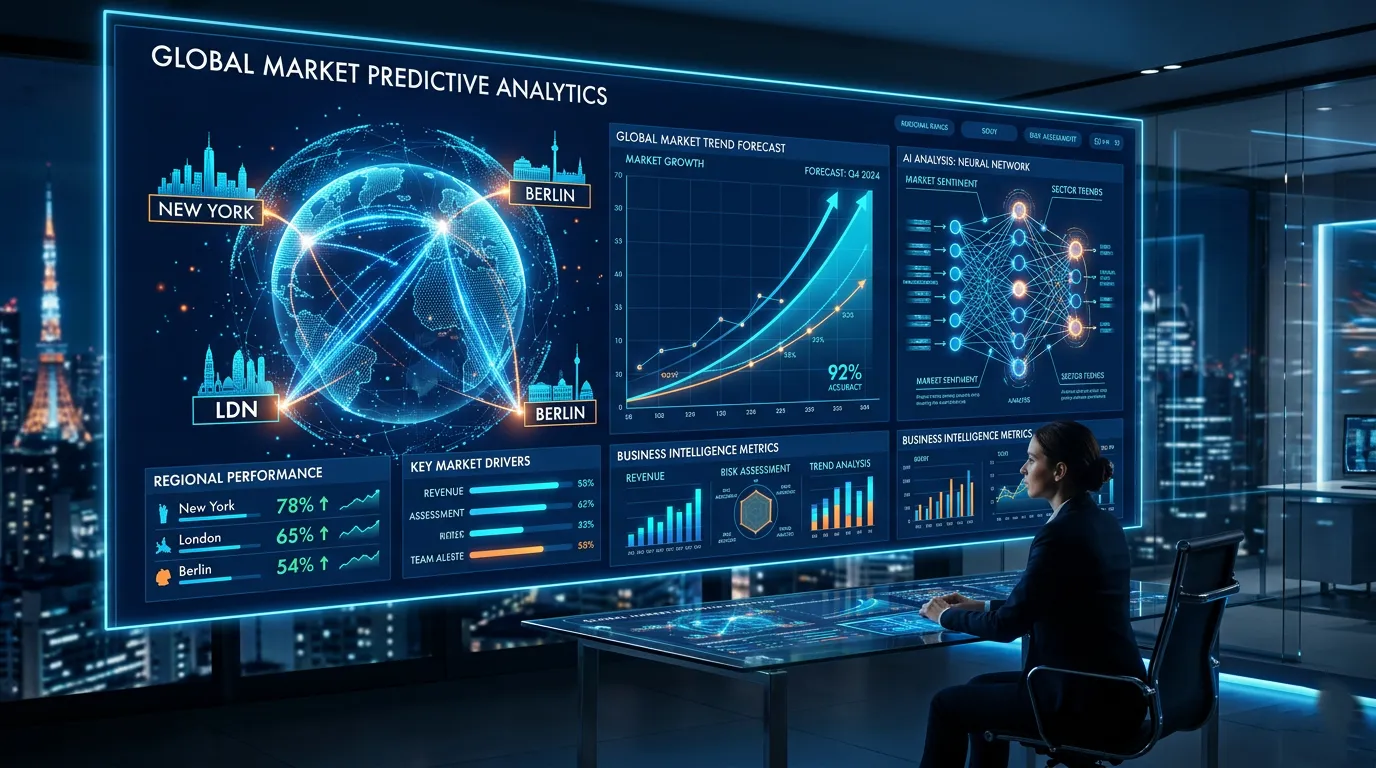
Over the next decade, machine learning in business strategy will likely become standard practice. Several trends are already emerging.
1. Real-Time Analytics Everywhere
Organizations increasingly expect instant insights rather than weekly reports.
2. AI Assistants for Executives
AI-powered assistants can summarize data, generate forecasts, and highlight risks automatically.
3. Democratized Data
More employees—not just analysts—will have access to machine learning insights. This shift will give people the ability teams to make faster, smarter decisions at every level of an organization.
Conclusion: Turning Data Into Strategic Advantage
In today’s data-driven economy, leaders face an important choice.
They can continue relying solely on traditional analysis and intuition—or they can embrace machine learning for decision making.
Organizations that successfully combine human expertise with AI insights gain several advantages:
faster decisions
improved forecasting
reduced operational risks
better strategic planning
From retail companies in the United States to manufacturers in Europe, machine learning is transforming how leaders think and act.
The key takeaway:
Data alone is not enough. The real power lies in turning data into clear, actionable decisions.
Leaders who begin building this capability today will be far better prepared for the competitive challenges of tomorrow.