Financial surprises rarely arrive at convenient times. A sudden job loss, unexpected medical bill, major car repair, or urgent home expense can disrupt even the most carefully planned budget. That’s where an emergency fund becomes essential.
An emergency fund is a dedicated savings buffer designed specifically for unexpected expenses or income disruptions. It protects your financial stability without forcing you to rely on credit cards, loans, or selling investments during difficult times.
Yet many professionals and founders still ask the same questions:
How much emergency fund do I actually need?
Is the 3–6 months rule realistic?
How can I build emergency savings quickly while managing other financial priorities?
This guide explains how much emergency fund you really need, how to calculate it, and practical strategies to build it efficiently, whether you're a salaried professional, a business owner, or a finance leader managing personal risk.
Why an Emergency Fund Is a Critical Financial Safety Net
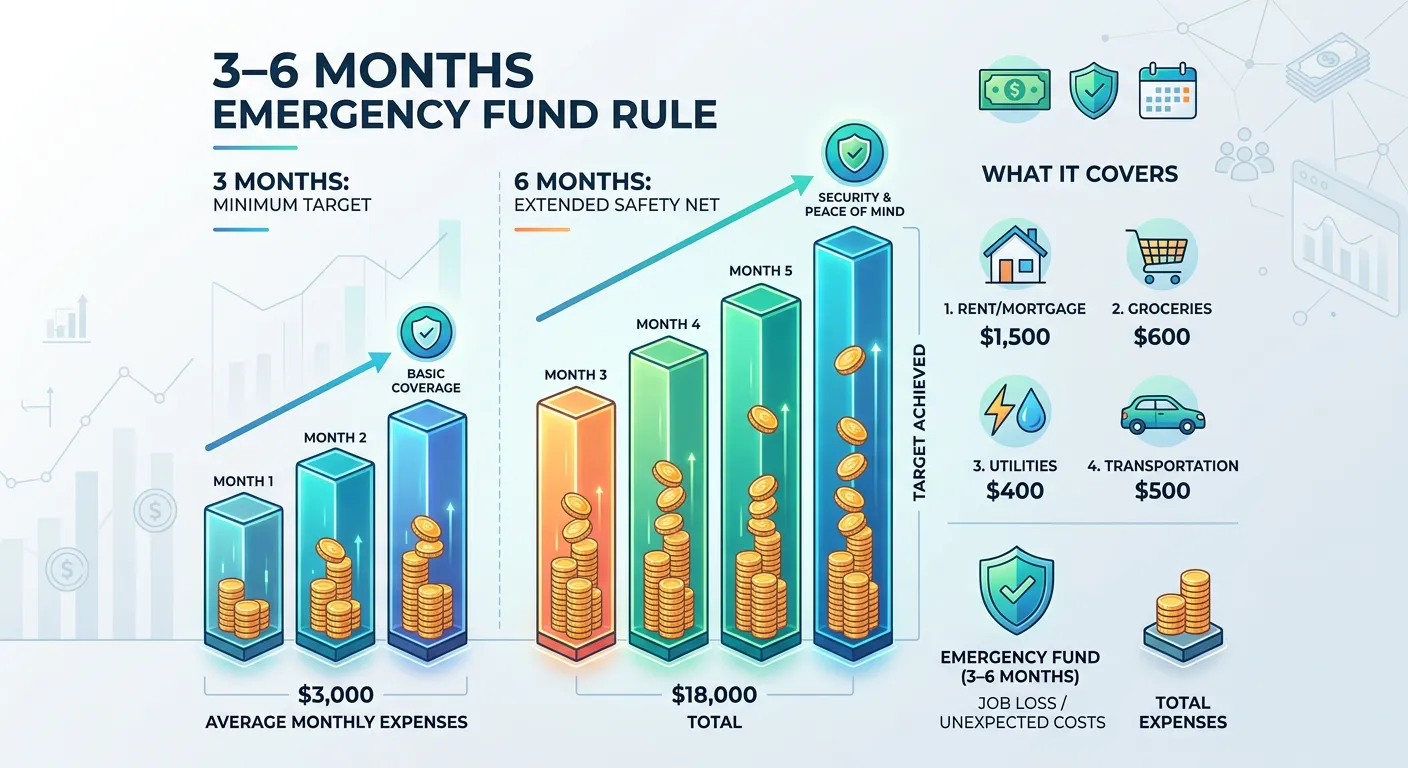
An emergency fund acts as your financial shock absorber. Instead of a single unexpected event causing long-term damage, your savings absorb the impact.
Without emergency savings, many people rely on high-interest debt. In the United States, for example, the average credit card interest rate often exceeds 20%, while many European consumer credit products also carry double-digit interest rates.
That means a €2,000 or $2,000 emergency could easily turn into €2,600 or $2,600+ in debt within a year. An emergency fund prevents this cycle.
Key Benefits of Emergency Savings
Financial stability during job loss or income drops
Protection from high-interest debt
Reduced stress during unexpected events
Flexibility for founders and freelancers
Ability to handle medical or home emergencies
For entrepreneurs and professionals, this buffer provides something equally valuable: decision-making freedom. You can make strategic career or business choices without panic-driven financial pressure.
How Much Emergency Fund Do You Really Need?
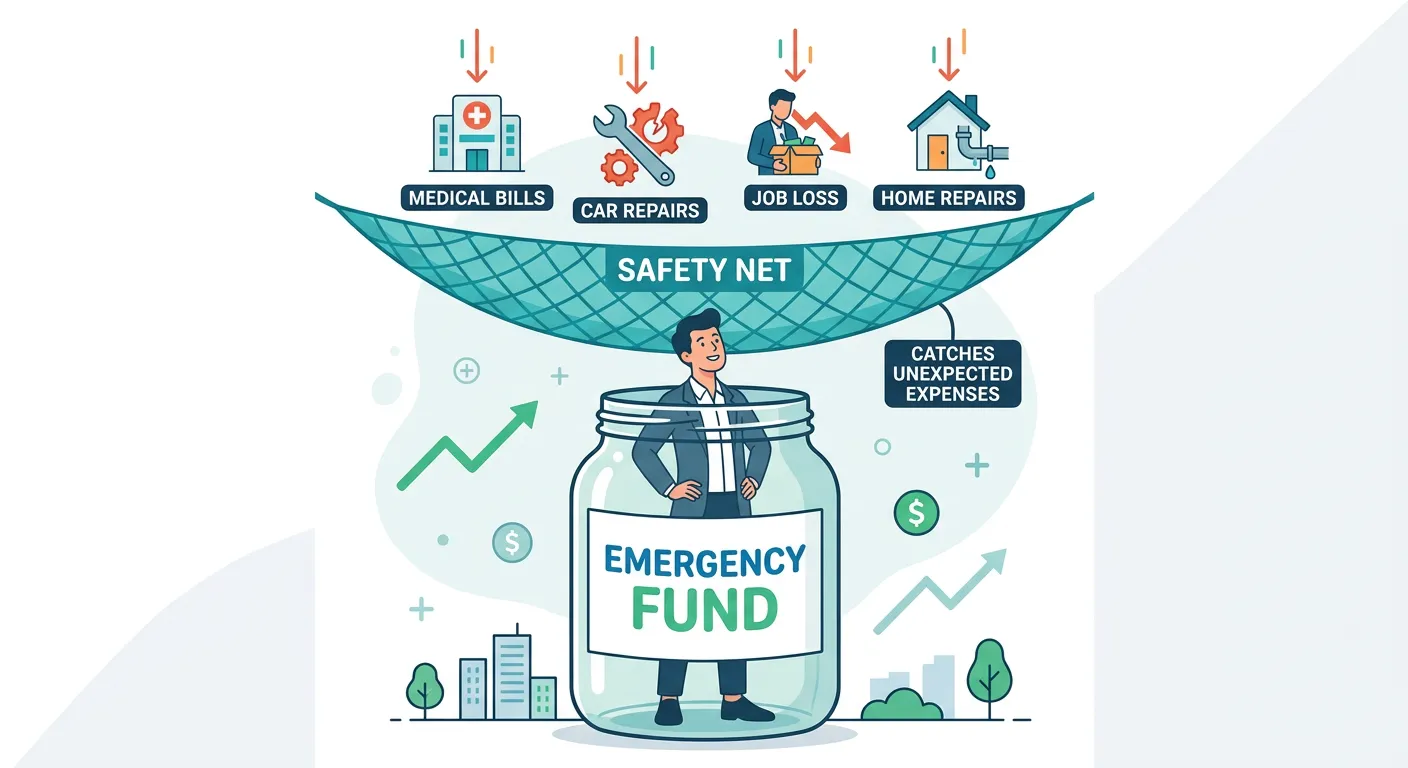
The commonly recommended guideline is 3 to 6 months of essential living expenses. However, the right amount depends on your personal situation.
The Standard Emergency Fund Rule
Most financial planners suggest saving:
3 months of expenses for stable employment and dual-income households
6 months of expenses for single-income households or higher risk situations
But many founders, freelancers, and consultants may benefit from 9–12 months of savings due to income volatility.
Example Calculation
Assume your essential monthly expenses include:
Housing (rent or mortgage)
Utilities
Groceries
Insurance
Transportation
Minimum debt payments
If your monthly essentials equal:
$3,500 per month in the US
€2,800 per month in parts of Western Europe
Then your emergency fund target might look like this: Savings DurationTarget Fund3 months$10,500 / €8,4006 months$21,000 / €16,8009 months$31,500 / €25,200 The key principle: focus on essential expenses, not lifestyle spending.
Step 1: Calculate Your True Monthly Essential Expenses
Before saving, you need an accurate baseline.
What to Include in Emergency Expense Calculations
Include only necessary survival costs, such as:
Rent or mortgage
Basic utilities (electricity, heating, water)
Groceries
Insurance premiums
Healthcare costs
Transportation
Minimum loan payments
Childcare or school essentials
What to Exclude
Do not include discretionary spending like:
Travel
Dining out
Streaming services
Shopping
Subscriptions that can be paused
Your emergency fund should cover financial survival, not normal lifestyle spending.
Step 2: Choose the Right Emergency Fund Target
Not everyone needs the same level of protection.
1. Stable Employment (Lower Risk)
Recommended savings: 3–4 months Typical profile:
Salaried professional
Stable industry
Dual-income household
Strong job market
2. Moderate Income Risk
Recommended savings: 4–6 months Typical profile:
Single-income household
Specialized career
Moderate job market risk
3. High Income Volatility
Recommended savings: 6–12 months Typical profile:
Startup founder
Freelancer or consultant
Commission-based income
Business owners
For founders especially, revenue fluctuations are normal, making a larger financial buffer critical.
Step 3: Where Should You Keep Your Emergency Fund?
Emergency savings should be safe, liquid, and easily accessible. The goal is not high returns. The goal is reliability and access.
Good Options
High-yield savings accounts
Money market accounts
Short-term treasury funds
Instant-access savings accounts (UK/EU)
These typically provide modest interest while keeping funds accessible.
Avoid These for Emergency Funds
Do not store emergency savings in:
Stocks or equity funds
Cryptocurrency
Long-term bonds
Real estate investments
These assets can lose value exactly when you need cash.
Step 4: How to Build an Emergency Fund Faster
Saving several months of expenses can feel overwhelming. But breaking the process into small steps makes it achievable.
Start With a “Starter Emergency Fund”
Your first milestone should be $1,000–$2,000 or €1,000–€2,000. This small buffer protects against common emergencies like:
Car repairs
Medical bills
Appliance replacement
Once this starter fund is complete, you can focus on expanding it.
Use the “Automated Savings System”
Automation removes the psychological barrier of saving. Set up automatic transfers immediately after each paycheck. Example:
Monthly income: $5,000
Automated emergency savings: $400
Annual savings: $4,800
Over two years, that becomes $9,600 without constant decision-making. Automation works because it treats saving like a fixed financial obligation.
Use Windfalls to Accelerate Progress
Unexpected income can dramatically speed up your emergency fund. Consider allocating part of:
Tax refunds
Performance bonuses
Profit distributions
Freelance side income
Even allocating 50% of windfalls can shorten the savings timeline significantly.
Practical Emergency Savings Strategies for Founders and Professionals
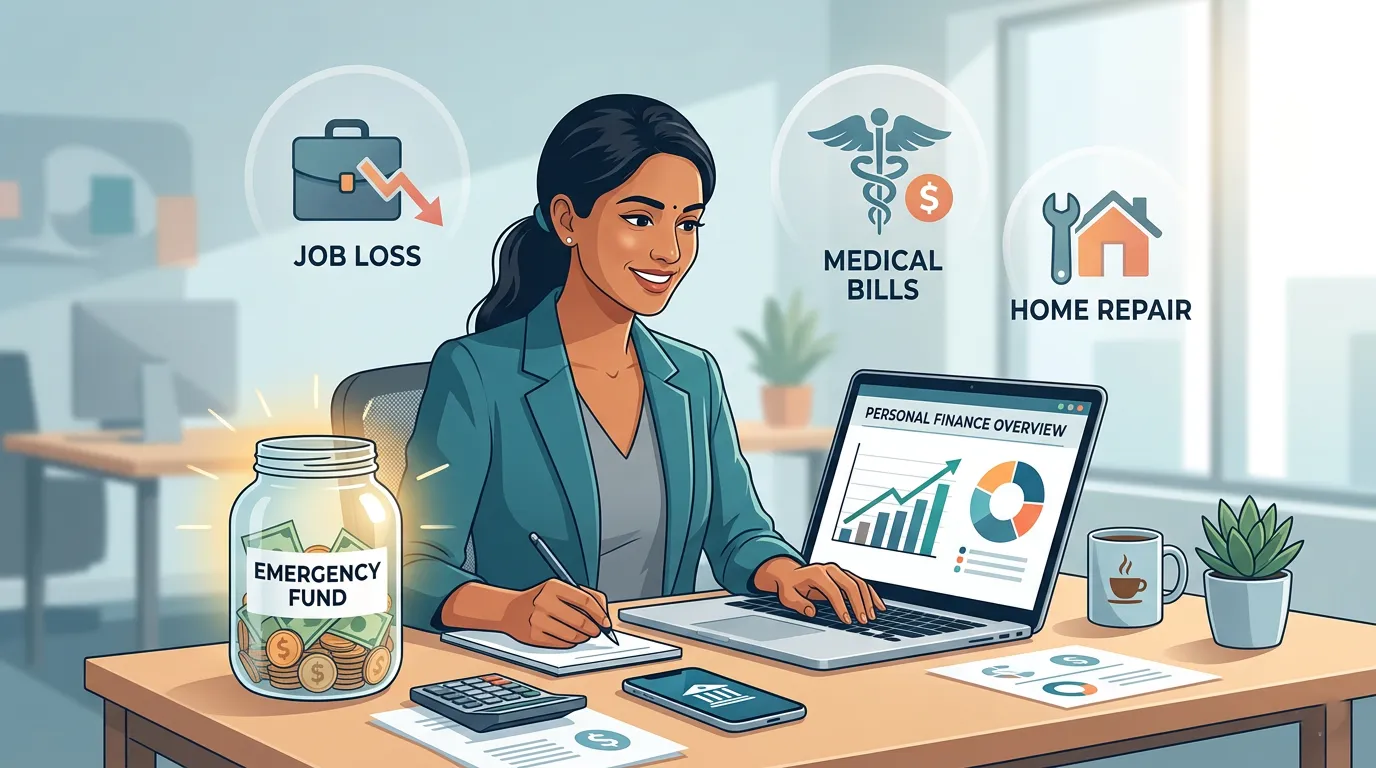
People with irregular income need slightly different strategies.
Strategy 1: Percentage-Based Saving
Instead of fixed monthly amounts, save a percentage of every payment received. Example:
Save 20% of each client payment
Save 10–15% of quarterly profits
This method scales with income variability.
Strategy 2: Separate Accounts for Clarity
Avoid mixing emergency savings with everyday accounts. Create a dedicated emergency fund account to prevent accidental spending. Psychologically, separation increases savings discipline.
Strategy 3: Increase Savings When Income Rises
Many professionals experience lifestyle inflation when income increases. Instead:
Increase emergency savings contributions first
Lock in financial stability before upgrading lifestyle
This strategy builds resilience without reducing quality of life long-term.
Common Emergency Fund Mistakes
Even financially literate professionals make mistakes when building emergency savings.
1. Investing Emergency Funds
The stock market can decline right when emergencies occur. Emergency funds must prioritize capital protection, not growth.
2. Saving Too Little
A $2,000 fund may cover small emergencies but not major disruptions. Job loss, medical costs, or housing repairs can easily exceed $5,000–$15,000 or €5,000–€15,000.
3. Treating It Like a Spending Account
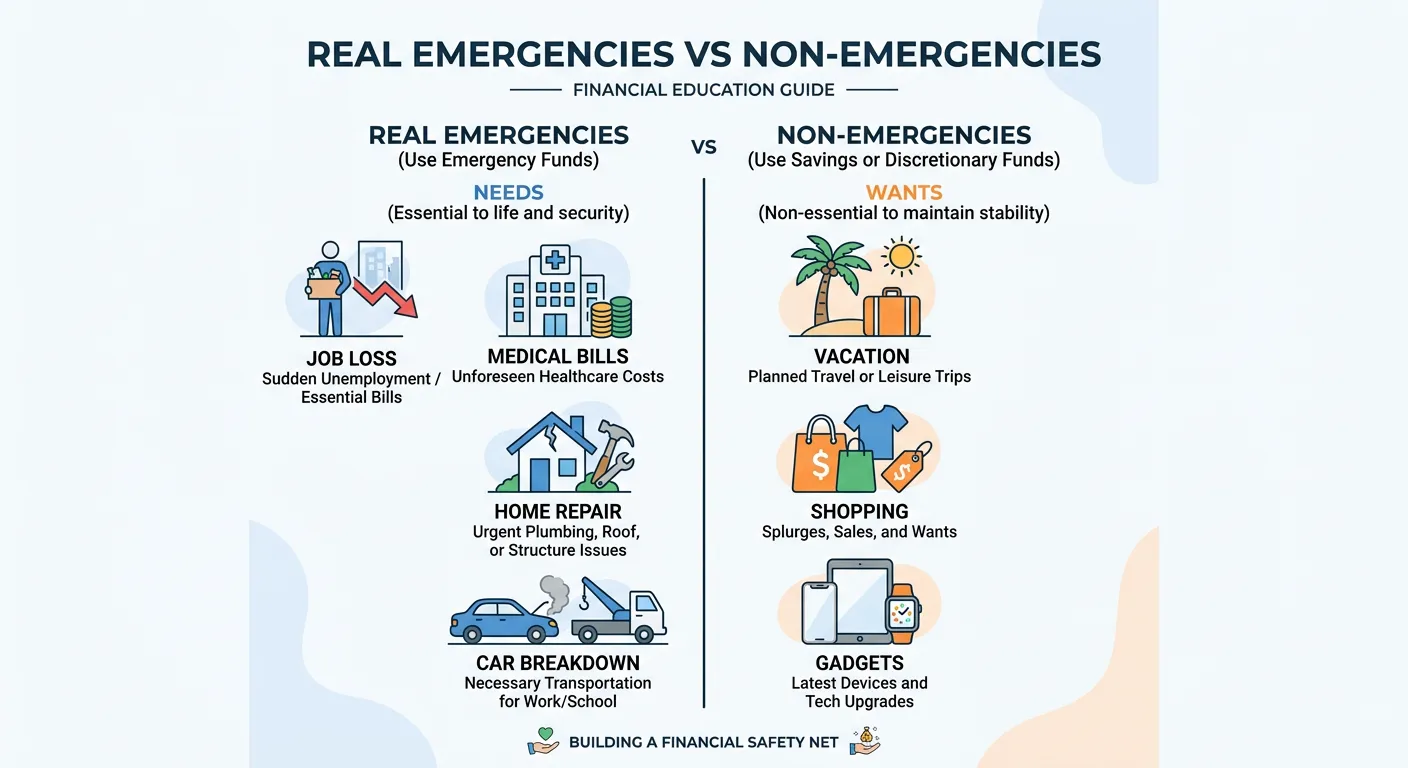
Emergency funds should be used only for true financial emergencies, such as:
Job loss
Medical emergencies
Essential home repairs
Critical transportation costs
Vacations, gadgets, or seasonal shopping are not emergencies.
4. Ignoring Inflation and Lifestyle Changes
If your expenses increase, your emergency fund should also increase. Review your target annually to ensure your safety net remains adequate.
When Should You Use Your Emergency Fund?
A useful rule: ask two questions.
Is this unexpected?
Is this necessary for survival or financial stability?
If both answers are yes, the expense likely qualifies. Examples of valid uses include:
Job loss
Medical emergencies
Essential home repairs
Urgent vehicle repairs
Emergency travel for family situations
Once used, your next financial priority should be rebuilding the fund.
The Psychological Benefit Most People Overlook
Beyond financial protection, an emergency fund delivers something powerful: peace of mind. When you know you can survive several months without income:
Career decisions become less stressful
Entrepreneurship becomes more feasible
Financial anxiety decreases
For founders and senior professionals, this buffer also enables strategic thinking instead of reactive decisions.
Conclusion: Build Stability Before Chasing Growth
An emergency fund may not be the most exciting financial goal, but it is one of the most important.
Before aggressive investing or major lifestyle upgrades, establishing a reliable financial safety net protects everything else in your financial strategy.
Key Takeaways
Most people should aim for 3–6 months of essential expenses
Founders and freelancers may need 6–12 months
Focus on essential costs, not lifestyle spending
Keep emergency savings liquid and safe
Automate contributions to build the fund faster
The most effective next step is simple: calculate your monthly essential expenses today and start building your first $1,000 or €1,000 emergency buffer.
Over time, that small step grows into long-term financial resilience.