
Setting the right price is one of the hardest decisions founders and business owners face. Charge too much, and you risk losing customers. Charge too little, and you undervalue your work—and leave revenue on the table. This is where pricing psychology becomes a powerful tool.
Pricing isn’t just about numbers. It’s about perception, positioning, and trust. The way you present your pricing can dramatically influence how customers interpret value and decide to buy.
you’ll learn how to use pricing psychology to confidently charge what you’re worth—without scaring away your audience.
Most customers don’t evaluate price logically—they evaluate it emotionally and comparatively. Two key insights drive this:
People don’t know what something “should” cost
They rely on context, comparisons, and presentation to decide
For example:
A $50 product can feel expensive—or cheap—depending on what it’s compared to
A €100 service may feel reasonable if positioned as premium
A £20 item can feel overpriced if poorly framed
Pricing psychology helps you control that context. When used correctly, it allows you to:
Increase perceived value
Improve conversion rates
Reduce price sensitivity
Build a stronger brand position
The Core Principle: Price Reflects Perceived Value
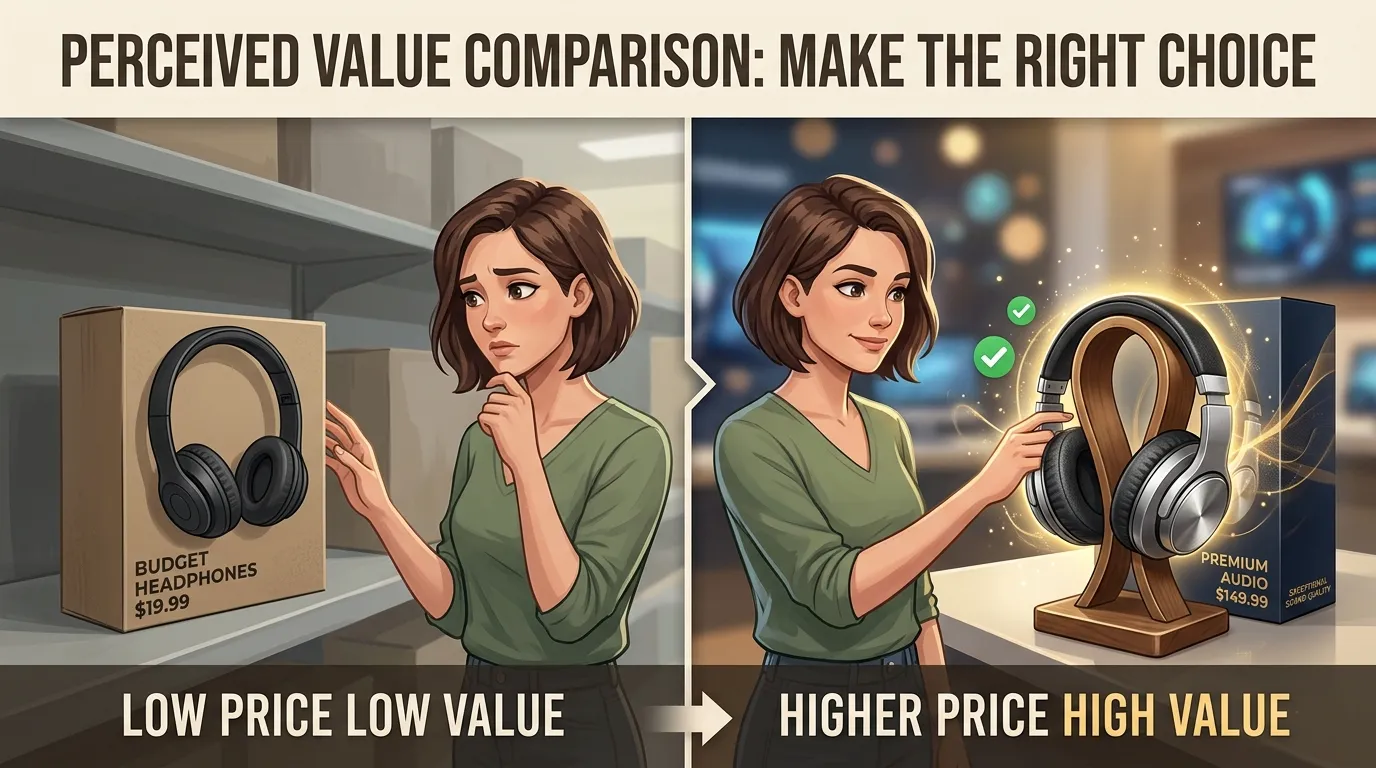
Before tactics, understand this: price is a signal of value, not just a cost. If your pricing is too low:
Customers may assume low quality
You attract price-sensitive buyers
Retention and loyalty often decrease
If your pricing aligns with value:
Customers feel confident in their purchase
You attract the right audience
You create room for growth and margin
Value-Based Pricing vs Cost-Based Pricing
Cost-based pricing:
Based on expenses + margin
Ignores customer perception
Value-based pricing:
Based on what the customer believes it’s worth
Focuses on outcomes and benefits
Example:
A SaaS tool saving a company 10 hours/week could justify $100/month (€90/month) or more—even if it costs far less to build
Takeaway: Always anchor your pricing in the value delivered, not just your costs.
7 Proven Pricing Psychology Tactics That Work
1. Price Anchoring: Set the Reference Point
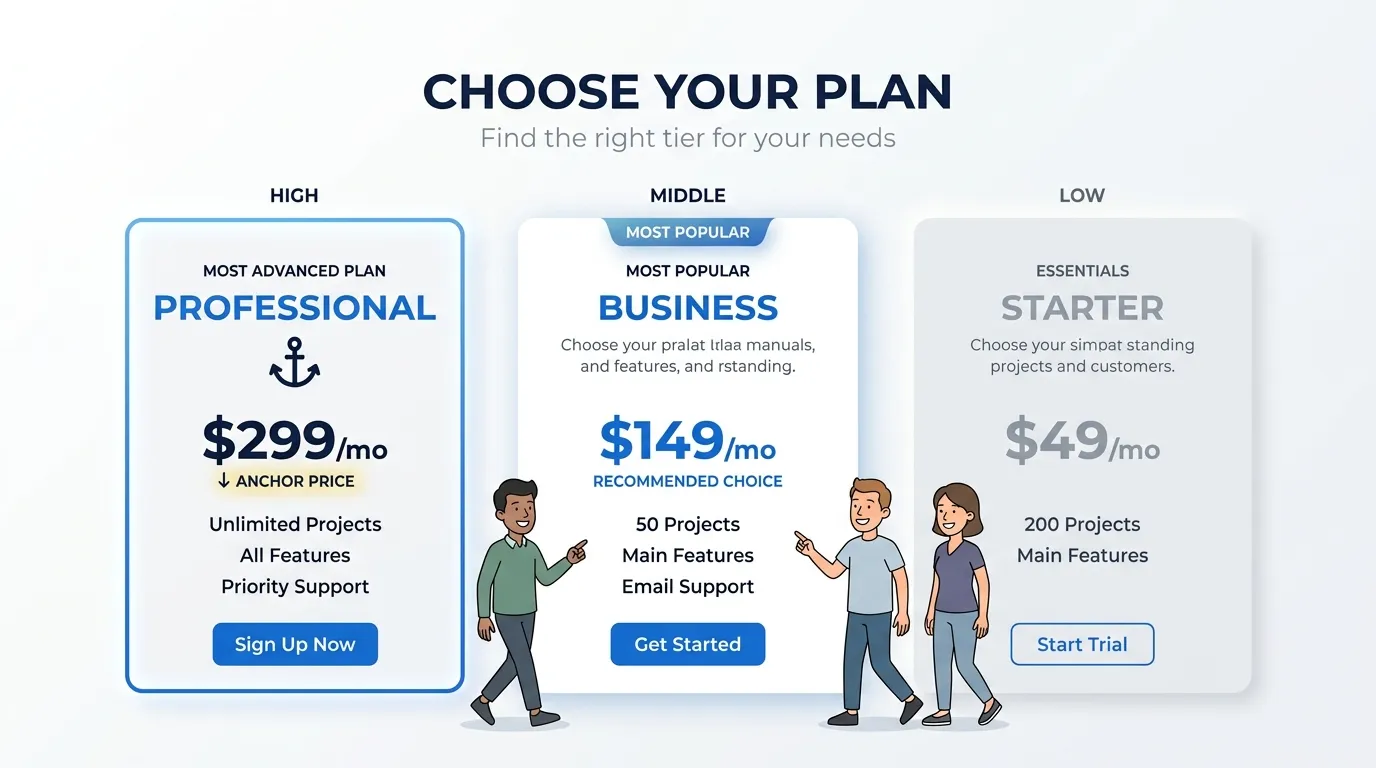
Price anchoring is one of the most powerful pricing strategies. When customers see a high-priced option first, everything else feels more affordable. Example:
Plan A: $199/month
Plan B: $99/month
Plan C: $49/month
Most users will gravitate toward the middle option because:
It feels like a smart compromise
The high anchor justifies the lower price
How to apply:
Always show a premium option first
Use it to frame the rest of your pricing
2. The Decoy Effect: Guide the Decision
The decoy effect helps customers choose the option you want them to pick. Example:
Basic: $29
Pro: $59
Pro Plus: $65
The Pro Plus option acts as a decoy, making the Pro plan look like better value. Result: More customers choose your target plan.
3. Charm Pricing: Use Psychological Endings
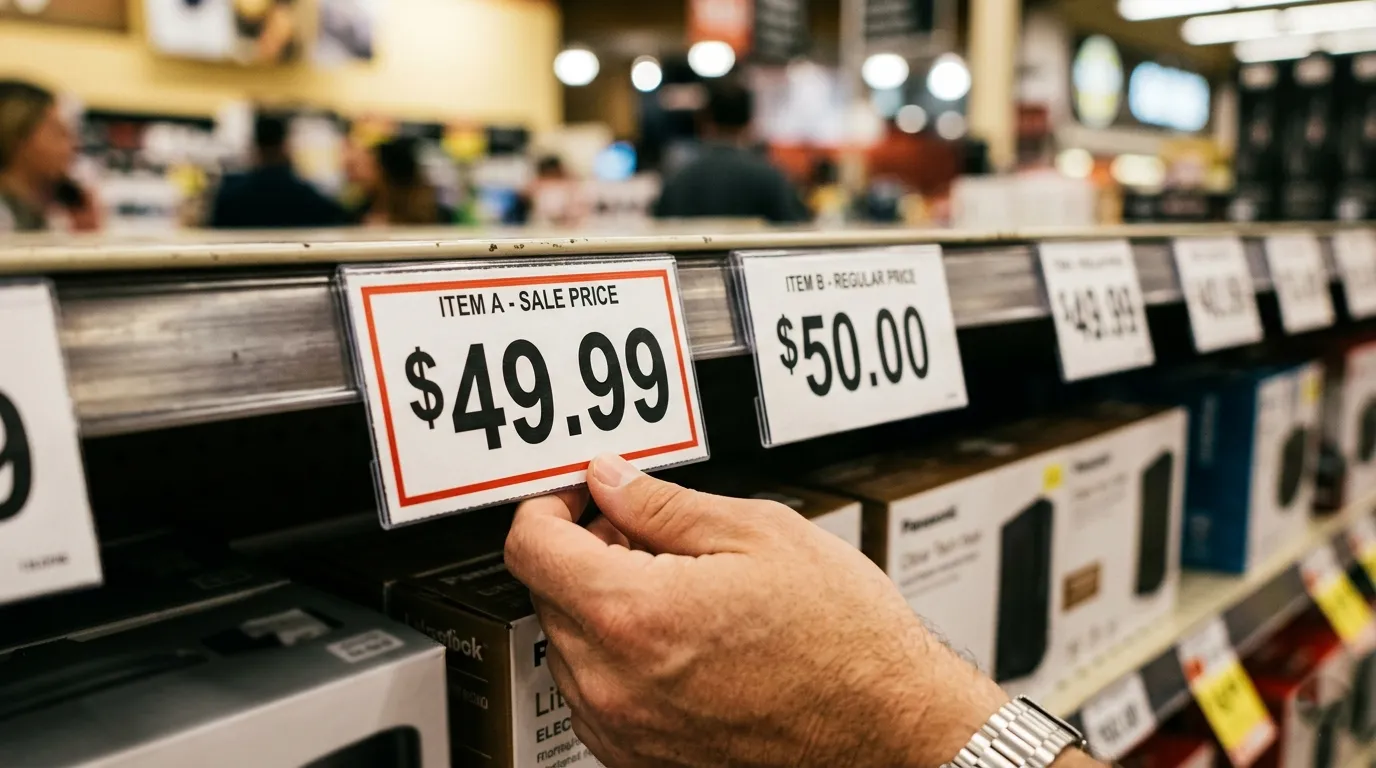
Prices ending in .99, .95, or .97 feel significantly cheaper than rounded numbers.
$49 vs $50
€19.99 vs €20
This works because customers read prices from left to right. When to use:
For consumer products (eCommerce, subscriptions)
When not to use:
Premium brands (round numbers often feel more high-end)
4. Remove Friction with Simplicity
Complex pricing reduces conversions. If customers need to “figure out” your pricing, they hesitate. proven approaches:
Limit choices (3–4 options max)
Use clear labels (e.g., Starter, Growth, Pro)
Avoid hidden fees
Clarity increases trust—and trust increases conversions.
5. Highlight Value, Not Just Price
Customers don’t buy price—they buy outcomes. Instead of:
“$99/month”
Say:
“Save 10+ hours per week for $99/month”
Shift the focus from cost to benefit.
6. Use Social Proof to Justify Pricing
Customers feel more comfortable paying higher prices when others are doing the same. Examples:
“Trusted by 10,000+ businesses”
Testimonials
Case studies
across organisations especially, buyers rely heavily on peer validation. Higher price + strong proof = higher trust
7. Offer Tiered Pricing to Capture Different Buyers
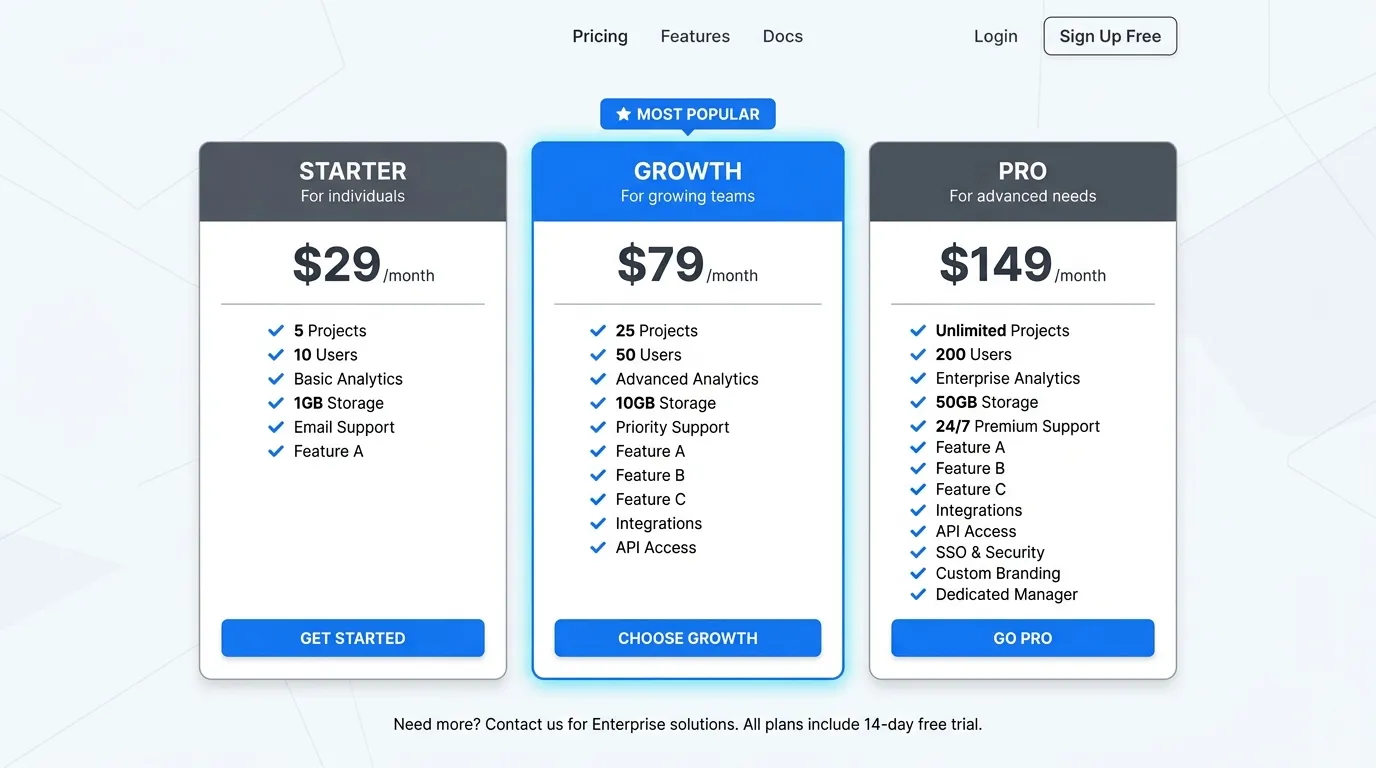
Not all customers are the same. Tiered pricing allows you to:
Serve budget-conscious users
Capture premium buyers
Increase average revenue per user
Example structure:
Basic (entry-level)
Growth (most popular)
Premium (high-value customers)
Key insight: Most people won’t choose the cheapest option if a better value is clearly presented.
Common Pricing Mistakes Founders Make
1. Underpricing to “Stay Competitive”
Lower prices don’t always win. You often attract:
Price-sensitive customers
Lower retention users
Higher support demand
Better strategy: Compete on value, not price.
2. Ignoring Market Positioning
Your pricing must match your brand.
Premium product → premium pricing
Budget product → competitive pricing
Mismatch creates distrust.
3. Not Testing Pricing
Pricing is not fixed—it’s a lever. Test:
Different price points
Packaging options
Value messaging
Even a small increase (e.g., from $49 to $59) can significantly impact revenue.
4. Failing to Communicate ROI
If customers don’t understand the return, they hesitate. Always answer:
What problem does this solve?
What is the measurable benefit?
A Simple Framework to Price Your Product
Use this step-by-step process:
Step 1: Define Your Value
What outcome do you deliver?
What problem do you solve?
Step 2: Understand Your Customer
What do they currently pay for alternatives?
How do they perceive value?
Step 3: Set a Price Range
Entry-level: accessible
Mid-tier: best value
Premium: highest impact
Step 4: Apply Pricing Psychology
Add anchors
Use tiered plans
Highlight benefits
Step 5: Test and Optimize
Monitor conversion rates
Track churn
Adjust based on data
Real-World Pricing Scenarios (US & Europe)
SaaS Example (US Market)
A productivity tool:
Basic: $15/month
Pro: $39/month
Business: $79/month
Result: Most users choose Pro due to perceived balance.
Consulting Example (UK/EU Market)
A consultant offers:
One-time session: £150
Monthly package: £500
Premium advisory: £1,200
Result: Mid-tier becomes the most popular due to anchoring.
eCommerce Example (Global)
A product priced at:
€29.99 vs €34
The €29.99 version often converts better due to charm pricing—even though the difference is minimal.
How to Increase Prices Without Losing Customers
Raising prices is inevitable if you want to grow sustainably. Here’s how to do it safely:
1. Add Value First
Improve product features
Enhance customer experience
Provide bonuses or extras
2. Communicate Clearly
Explain:
Why prices are increasing
What customers gain
3. Grandfather Existing Customers
Keep old pricing for current users to maintain loyalty.
4. Test Gradual Increases
Instead of jumping from $49 to $99:
Try $59 → $69 → $79
Key Takeaways
Pricing psychology is about perception, not just numbers
Customers compare, not calculate
Anchoring, framing, and simplicity drive decisions
Value-based pricing outperforms cost-based pricing
Testing and iteration are essential
Action step:
Review your current pricing page today. Identify one change you can make—whether it’s adding a pricing tier, improving value messaging, or introducing an anchor—and test it.