Artificial intelligence is transforming how businesses operate. From automated customer service to predictive analytics and smart workflows, companies can now scale faster than ever. But with this progress comes a critical question: Can businesses adopt automation without losing the human element that customers and employees value most?
This is where ethical AI automation becomes essential.
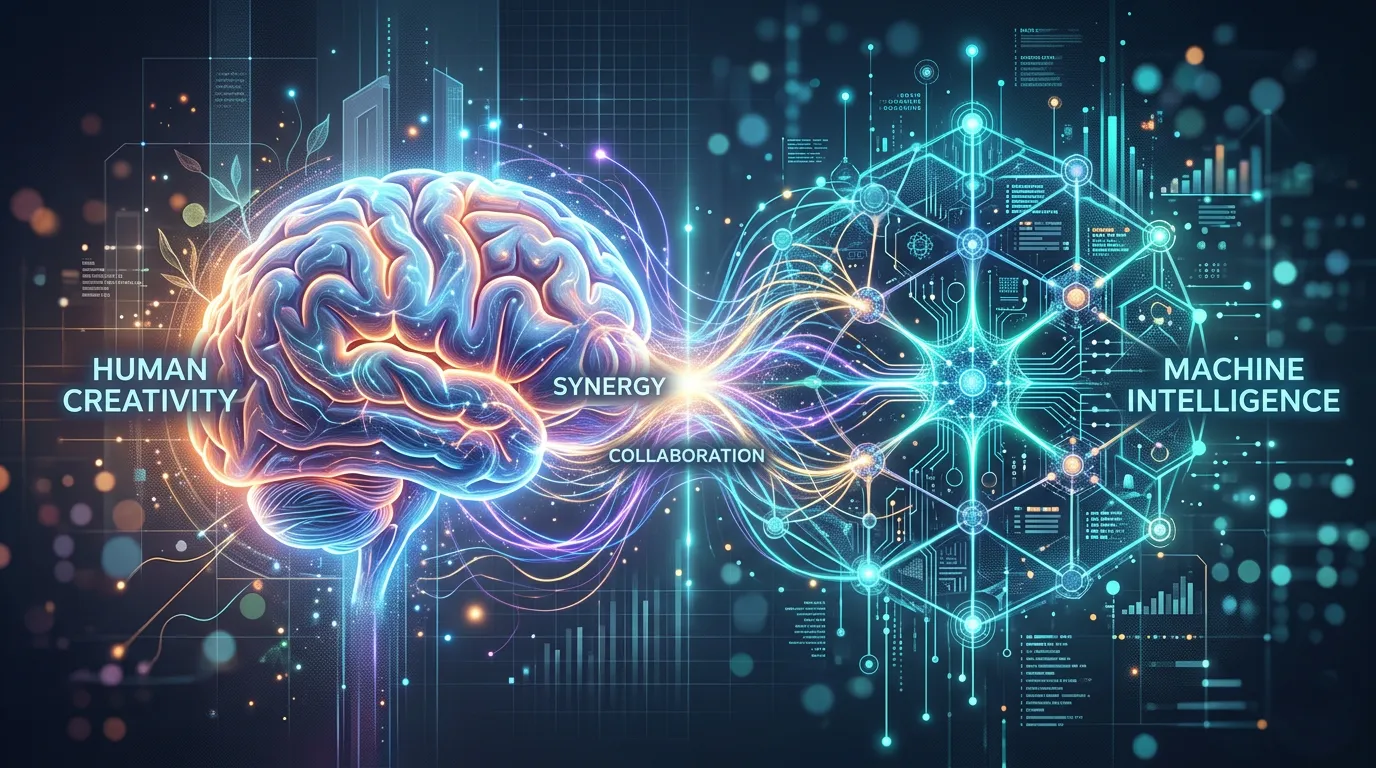
Instead of replacing people, ethical AI focuses on augmenting human capability, improving productivity while preserving creativity, empathy, and ethical responsibility. For founders, professionals, creators, and students entering the modern workforce, understanding this balance is becoming a core skill.
Across the United States, the United Kingdom, and the European Union, companies are exploring how to adopt AI responsibly—scaling operations while ensuring technology serves people, not the other way around.
you’ll learn how businesses can grow with AI without replacing the human heart of their organization.
Ethical AI automation refers to using artificial intelligence in ways that are transparent, fair, and supportive of human workers rather than replacing them entirely.
It combines two ideas:
Automation: AI handling repetitive tasks to increase efficiency.
Ethics: Ensuring AI decisions respect privacy, fairness, and human dignity.
Instead of asking “How can AI replace employees?”, ethical businesses ask: “How can AI help our people do better work?”
Core principles of ethical AI
Responsible AI systems generally follow several key principles:
Transparency – People understand when AI is being used.
Fairness – AI avoids bias in decisions like hiring or lending.
Accountability – Humans remain responsible for final decisions.
Privacy protection – Data is handled safely and ethically.
Human oversight – AI assists rather than controls.
Governments across Europe and North America are increasingly building regulations around these principles, reinforcing the importance of responsible automation.

Companies adopt AI for a simple reason: efficiency and scalability. Tasks that once required hours of manual work can now be completed in seconds. Common examples of AI automation in business include:
Customer support chatbots
Email marketing automation
Data analysis and forecasting
Content generation tools
Workflow automation platforms
Inventory and supply chain predictions
A small startup in the United States or the UK can now run operations that previously required large teams. However, if automation is implemented poorly, it can create serious risks:
Job displacement concerns
Loss of customer trust
Algorithmic bias
Poor decision-making without human context
This is why human-centric AI strategies are becoming the preferred approach.
AI is powerful, but it still lacks several essential human qualities. Businesses that scale successfully with automation usually preserve these human strengths.
1. Empathy
Customers value feeling understood. A chatbot can answer simple questions, but complex support situations still require human empathy. For example:
Healthcare providers in Europe often use AI for appointment scheduling but rely on human staff for patient care.
Customer service teams handle sensitive issues that automation cannot fully understand.
2. Creativity
AI can generate ideas based on data patterns, but original thinking still comes from humans. Creative fields like:
Marketing
Branding
Product innovation
Storytelling
depend heavily on human insight and imagination.
3. Ethical Judgment
AI models follow patterns in data. They do not understand moral responsibility. For example, hiring algorithms may unintentionally reflect bias present in historical data. Human oversight ensures decisions remain fair and responsible.
If you want to scale your business responsibly, a structured approach helps. Below is a practical five-step framework used by many modern companies.
1. Automate Repetitive Tasks First
Start with work that does not require human judgment. Examples include:
Data entry
Scheduling
Basic reporting
Document processing
Automation here reduces burnout and allows employees to focus on higher-value work.
2. Keep Humans in Decision Loops
AI should support decisions, not make them alone. A strong model looks like this: AI analysis → Human review → Final decision Industries such as finance and healthcare often follow this approach to ensure accountability.
3. Be Transparent With Customers
Customers increasingly care about AI ethics in the workplace. Businesses should clearly communicate:
When AI tools are used
How customer data is processed
Whether a chatbot or human is responding
Transparency builds trust, especially in regions like the EU where privacy regulations are strong.
4. Train Employees to Work With AI
The future of work with AI will require hybrid skills. Instead of replacing workers, companies can upskill them in areas like:
AI-assisted productivity
data interpretation
prompt engineering
automation management
Many organizations now allocate training budgets ranging from $500–$2,000 per employee (roughly €450–€1,800) for AI-related skills.
5. Monitor AI Impact Continuously
Responsible businesses regularly review automation outcomes. Questions to evaluate include:
Does the AI produce biased results?
Are customers satisfied with automated interactions?
Are employees benefiting from automation?
Ethical AI is not a one-time decision—it is an ongoing process.
Across the world, companies are experimenting with balancing AI and human workers.
United States: AI-Assisted Customer Support
Many technology companies now use AI to suggest responses to customer service agents. Instead of replacing support staff, AI tools:
analyze customer messages
recommend solutions
reduce response times
Agents still manage complex interactions.
United Kingdom and Europe: Responsible Hiring AI
Several European companies use AI to screen job applications, but human recruiters make the final decision. This helps handle large applicant pools while reducing administrative work. However, companies must monitor systems carefully to avoid discrimination based on historical hiring patterns.
Canada and Australia: AI in Healthcare Administration
Healthcare providers increasingly automate tasks like:
appointment scheduling
patient reminders
insurance documentation
Medical professionals remain focused on patient care—where human empathy matters most.

Despite the benefits, many organizations implement automation poorly. Avoid these common pitfalls.
Automating Too Quickly
Some companies try to automate entire departments immediately. A better approach is gradual adoption, allowing teams to adapt and identify issues.
Ignoring Ethical Risks
AI systems can unintentionally replicate bias. Businesses must evaluate training data and outcomes carefully.
Neglecting Employee Concerns
Workers may fear automation replacing their roles. Companies should communicate clearly:
automation reduces repetitive tasks
new roles will emerge
training opportunities will be provided
Transparency builds confidence rather than resistance.
Prioritizing Cost Over Value
Automation should improve customer experience and employee productivity, not simply reduce payroll expenses. Short-term cost cutting often leads to long-term brand damage.
If you run a business—or plan to start one—there are practical steps you can take immediately.
Start with AI productivity tools
Examples include:
workflow automation platforms
AI writing assistants
data analysis tools
project management automation
These tools improve productivity without eliminating roles.
Establish an internal AI policy
Even small businesses benefit from simple guidelines such as:
how AI can be used
data privacy rules
human oversight requirements
Create an AI ethics checklist
Before adopting any automation tool, ask:
Does it protect user privacy?
Is the decision process transparent?
Can humans override the system?
Does it improve employee productivity?
Could it create unfair bias?
If the answer to any question is uncertain, further evaluation is necessary.

The global conversation about AI is shifting. Early discussions focused on how powerful AI could become. Now the focus is how responsibly we use it. In the coming years we can expect:
stronger AI regulations in Europe and North America
increased demand for transparent AI systems
more jobs centered around managing automation
collaboration between humans and AI becoming the norm
Rather than replacing people, the most successful companies will use AI to amplify human strengths. Organizations that adopt ethical AI early will likely gain advantages in:
customer trust
brand reputation
employee loyalty
long-term innovation
AI automation is not inherently good or bad. The outcome depends entirely on how businesses choose to implement it. Ethical AI automation offers a powerful path forward. By combining technology with human oversight, companies can:
scale operations efficiently
improve productivity
protect jobs and creativity
build stronger relationships with customers
The real opportunity is not replacing humans—it is giveing people the ability them.
As automation continues to evolve across the United States, Europe, Canada, and Australia, the companies that succeed will be those that remember a simple truth:
Technology works best when it serves people.
What is ethical AI automation?
Ethical AI automation refers to using artificial intelligence responsibly to improve productivity while maintaining fairness, transparency, privacy, and human oversight.
Can AI automation replace human workers completely?
In most industries, AI works best as a support tool rather than a replacement. Humans still provide creativity, empathy, and ethical judgment that AI systems cannot replicate.
Why is ethical AI important for businesses?
Responsible AI builds trust with customers, employees, and regulators. Businesses that ignore ethical considerations risk reputational damage, legal issues, and biased decision-making.
How can small businesses use ethical AI automation?
Small businesses can start by automating repetitive tasks such as scheduling, reporting, and marketing workflows while keeping human oversight for decision-making and customer interactions.
What skills will be important in an AI-driven workplace?
Key future skills include:
AI literacy
data interpretation
creative problem-solving
communication and leadership
ethical decision-making
These skills help professionals collaborate effectively with AI systems.