Artificial intelligence is transforming the global economy faster than almost any technology before it. From automated customer support to AI-powered data analysis, companies across the United States, Europe, Canada, and Australia are using automation to boost productivity and reduce costs.
But as AI spreads, a bigger question is emerging: does automation make societies more unequal?
The debate around AI and automation inequality is no longer theoretical. While some workers and companies are gaining huge advantages from AI, others risk losing jobs, income stability, or opportunities. Governments, business leaders, and educators are now trying to understand how to ensure the benefits of AI are shared more fairly.
explore:
How AI and automation affect inequality
Which industries and workers benefit the most
Who faces the greatest risk of being left behind
Real examples from the US and Europe
Practical steps individuals and organizations can take today
Understanding these trends is essential—not only for policymakers but also for professionals, founders, students, and creators who want to thrive in the future of work.
The Technology Gap: Why AI Can Increase Inequality
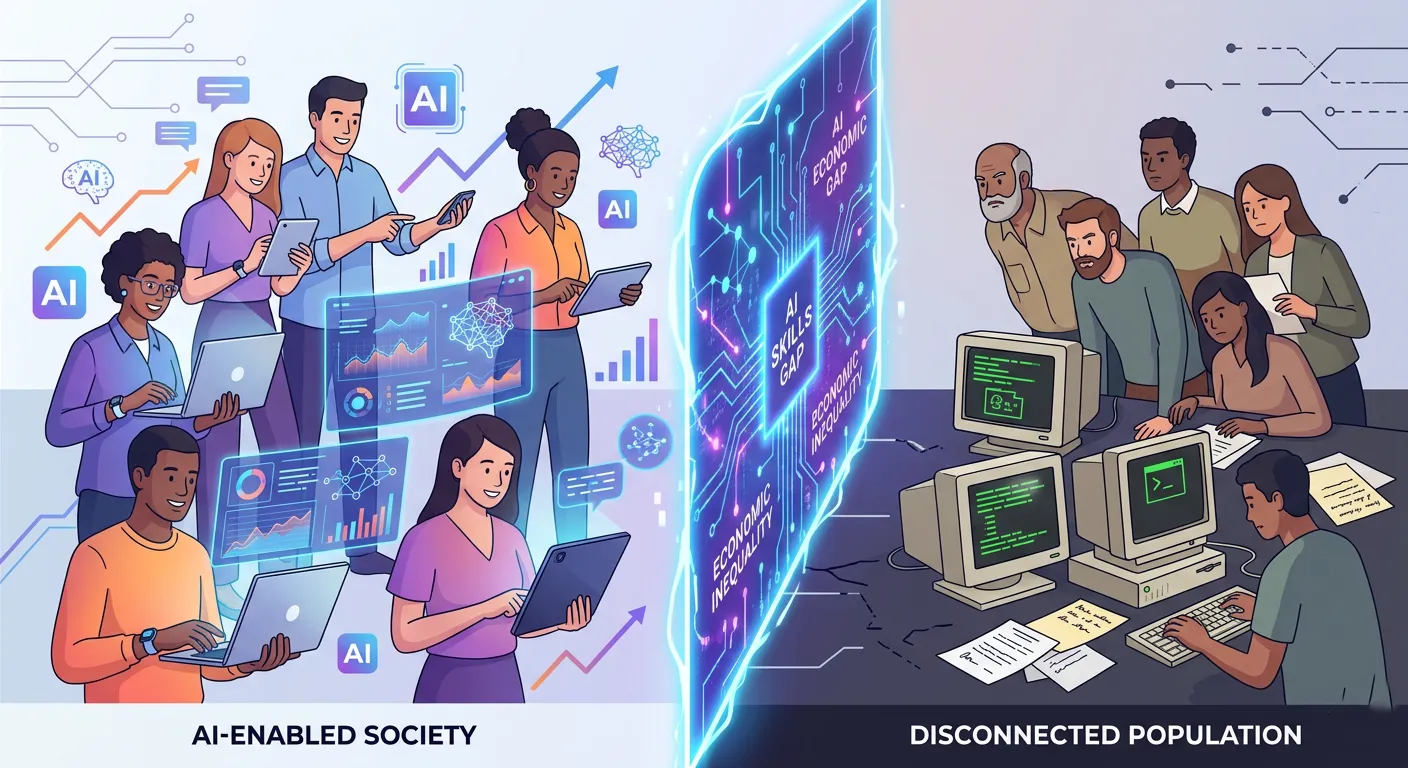
Technological revolutions have always created winners and losers. The Industrial Revolution boosted productivity but also widened income gaps before societies adapted.
AI may follow a similar pattern.
Why Automation Concentrates Advantages
AI tools often reward those who already have resources, education, or access to technology. Several factors contribute to this.
1. Capital Wins Over Labor
Companies that own AI systems benefit more than workers who are replaced by them. For example:
A logistics company using AI routing software can reduce staffing needs.
A marketing agency using generative AI can produce content faster with fewer employees.
In many cases, productivity gains flow to company owners and shareholders, rather than workers.
2. Highly Skilled Workers Gain the Most
People who know how to use AI effectively often become more productive and valuable. Examples include:
Software developers using AI coding assistants
Data analysts using machine learning tools
Designers using generative design software
These professionals can produce 2–5 times more work in the same amount of time. Meanwhile, workers in routine jobs may face automation risks.
3. Global Digital Infrastructure Matters
Countries with strong digital ecosystems benefit earlier.
In the United States and Western Europe, companies are investing billions in AI infrastructure. Meanwhile, smaller economies or rural regions may adopt these technologies more slowly.
This creates regional inequality, not just individual inequality.
Industries That Benefit the Most from AI
AI adoption is not uniform across the economy. Some sectors are seeing enormous gains, while others change more slowly.
High Winners in the AI Economy
Industries already driven by data tend to benefit most.
Technology and Software
Tech companies are at the center of the AI boom. Many firms have seen massive productivity gains from:
automated coding
predictive analytics
AI infrastructure services
These companies are also attracting large investments.
Finance and Banking
AI is widely used for:
fraud detection
algorithmic trading
risk analysis
automated financial services
Major financial institutions in the US, UK, and EU are investing heavily in machine learning systems to improve decision-making and reduce operational costs.
Healthcare and Biotechnology
AI can accelerate medical research, diagnostics, and drug discovery.
However, while these technologies can improve care, the economic benefits tend to flow to specialized professionals and organizations.
Professional Services
Consulting, law, marketing, and research firms increasingly rely on AI tools for:
data analysis
report generation
customer insights
Professionals who combine domain expertise with AI skills often gain significant productivity advantages.
Workers Most at Risk of Automation
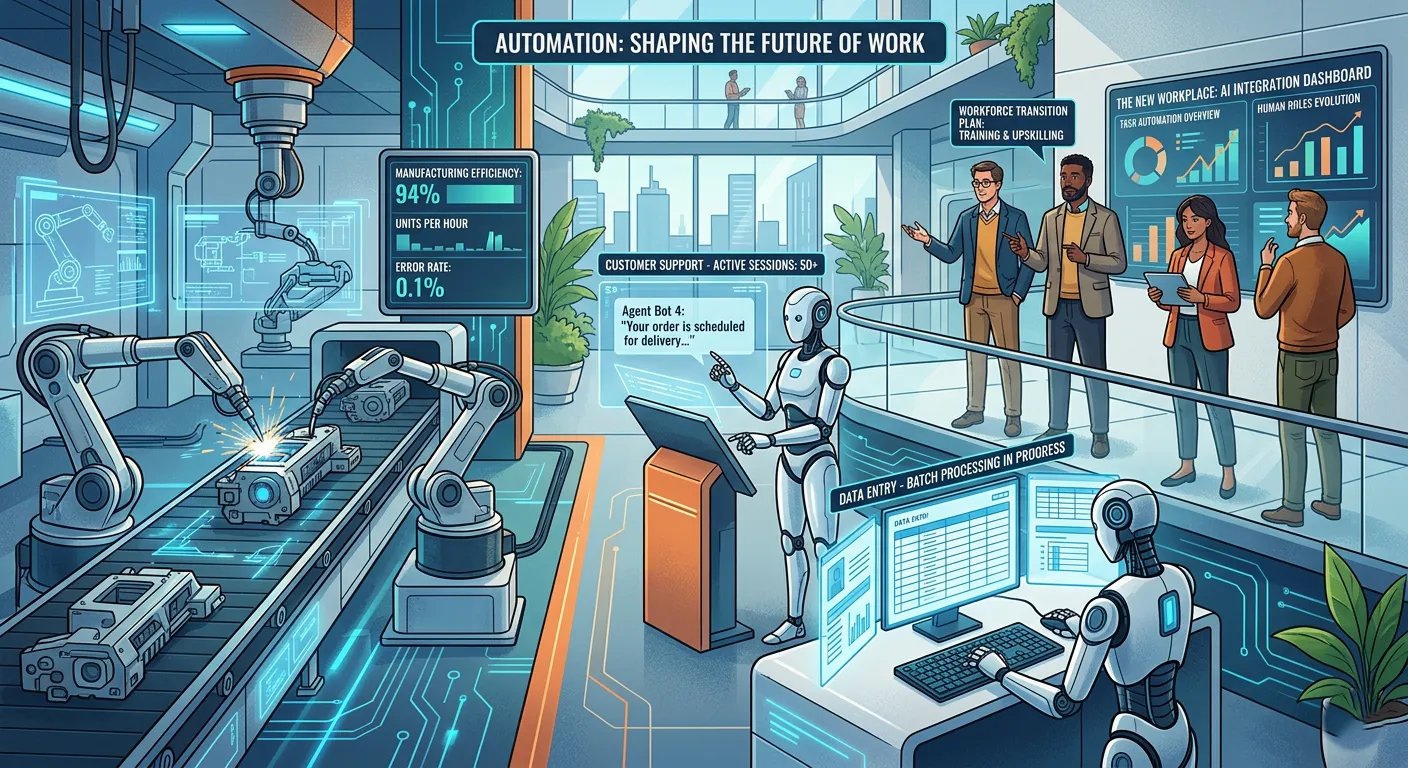
While many jobs will evolve rather than disappear, some roles are more vulnerable to automation.
Jobs With High Automation Exposure
Research across the US and Europe suggests that tasks involving routine processes are most at risk. Examples include:
data entry
basic accounting
customer service
administrative support
repetitive manufacturing tasks
AI chatbots and automation software can now handle many of these tasks faster and cheaper.
The Paradox of White-Collar Automation
Interestingly, AI is now affecting knowledge workers, not just manual labor. Tasks like:
writing reports
drafting emails
analyzing spreadsheets
creating presentations
can be partially automated. This means the future of work may not eliminate jobs entirely, but it will transform them. Workers who adapt may thrive, while those who resist change may struggle.
Real-World Examples from the US and Europe
To understand AI and automation inequality, it helps to look at real economic patterns.
United States: Productivity vs Wage Growth
The US tech sector has seen extraordinary productivity growth thanks to automation and AI tools. However, wage growth has not always matched productivity gains across the broader workforce.
Many analysts argue that technology companies and investors capture a disproportionate share of value created by AI systems.
Europe: Skills Gap and Regional Differences
In the European Union, automation adoption varies widely. Countries like Germany, the Netherlands, and Sweden are strong leaders in industrial automation. Meanwhile, some Eastern European economies face challenges such as:
slower digital transformation
fewer AI specialists
limited technology investment
This can widen economic gaps across regions.
The UK: AI Investment vs Workforce Readiness
The UK has become a major hub for AI startups and research. However, businesses often report a shortage of workers with advanced digital skills. This AI skills gap is one of the biggest drivers of inequality in the modern economy.
The AI Skills Gap: The New Digital Divide
One of the most important drivers of automation workforce impact is the growing demand for AI-related skills. The difference between workers who understand AI tools and those who do not is becoming significant.
Examples of In-Demand Skills
The following skills are becoming highly valuable globally:
Data analysis and visualization
Prompt engineering and AI tool usage
Machine learning basics
Digital product management
Automation workflow design
But the barrier to entry is not as high as many people think. Many professionals are learning AI skills through:
online courses
self-directed experimentation
workplace training programs
The New Advantage: AI Literacy
In many industries, AI literacy may become as essential as basic computer skills were 20 years ago. People who learn how to work with AI—rather than compete against it—will likely benefit most.
How Governments Are Responding
Governments in the US, Europe, and other developed economies are increasingly focused on the economic risks of AI inequality.
Several policy ideas are being explored.
Education and Reskilling
Many countries are investing in workforce training programs focused on:
digital skills
data literacy
AI education
The European Union, for example, has launched initiatives aimed at improving digital skills across member states.
Regulation of AI Systems
Policymakers are also introducing rules to manage risks such as:
algorithmic bias
worker displacement
unfair labor practices
The EU’s AI regulatory framework aims to create safeguards while still encouraging innovation.
Support for Innovation and Startups
Governments also want to ensure that smaller companies can benefit from AI.
This includes funding programs and incentives to support startups and small businesses adopting automation technologies.
What Businesses Can Do to Reduce Inequality
Companies play a major role in determining whether AI increases or reduces inequality. Forward-thinking organizations are already taking steps to support workers during technological change.
Strategies Responsible Companies Use
1. Upskill Existing Employees
Rather than replacing workers, some companies train them to work with AI systems. Examples include:
teaching customer support teams to use AI tools
training analysts to work with automated data platforms
2. Redesign Jobs Instead of Eliminating Them
AI works best when combined with human judgment. Businesses can redesign roles so employees focus on:
creativity
strategy
complex decision-making
while automation handles repetitive tasks.
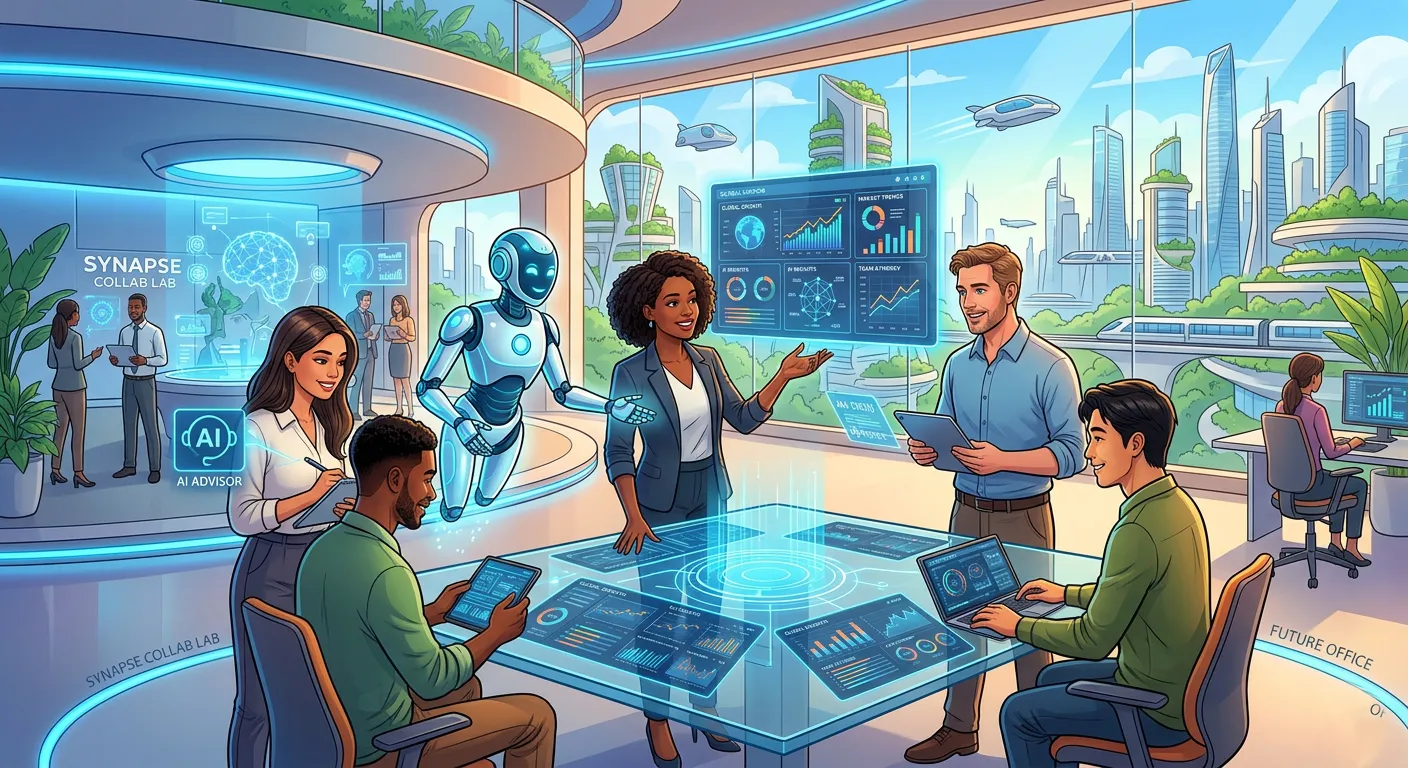
3. Invest in Human-AI Collaboration
Companies that treat AI as a productivity partner rather than a replacement often see better results. Workers become more effective rather than obsolete.
Practical Steps Individuals Can Take Today
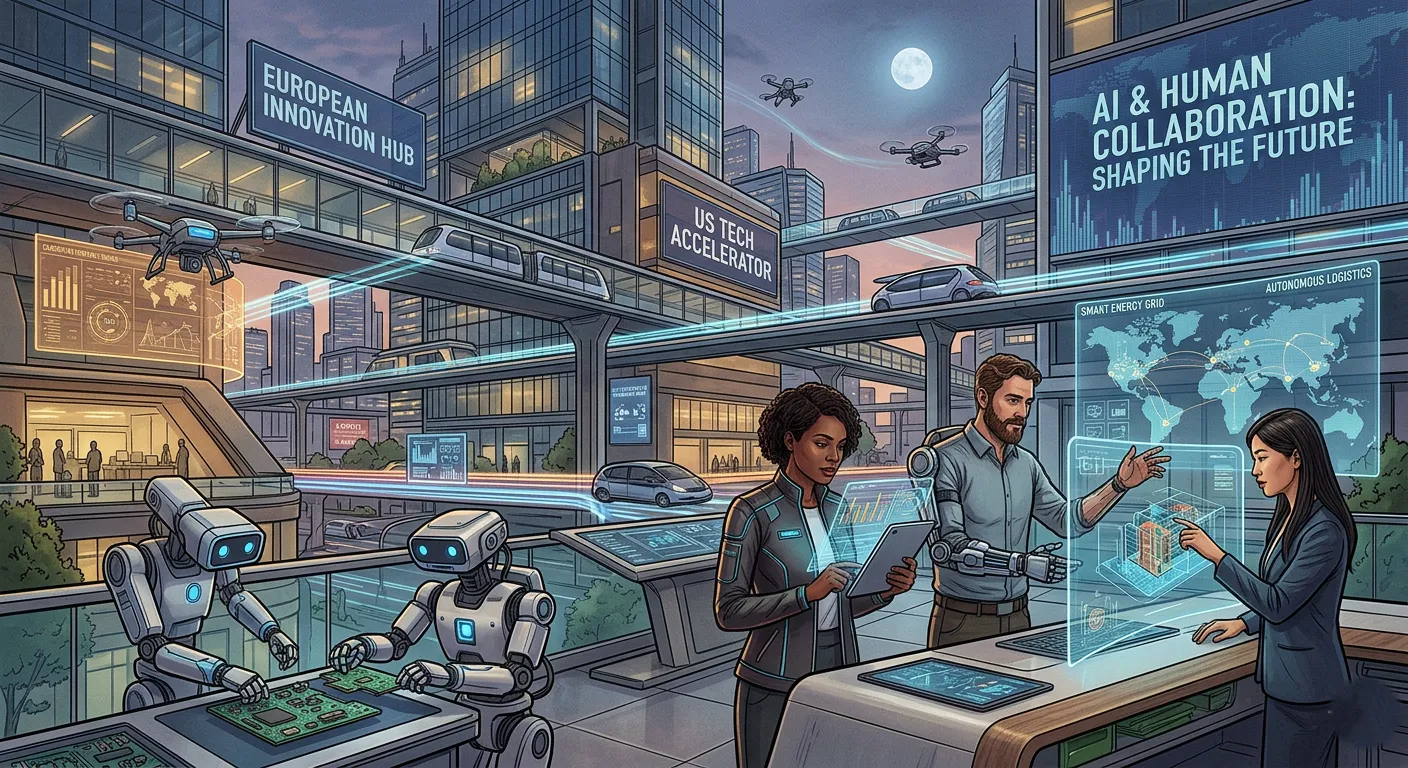
The future of work is not predetermined. Individuals can take proactive steps to adapt to AI-driven change.
1. Learn to Use AI Tools
Even basic familiarity with tools like:
AI writing assistants
data analysis platforms
automation software
can significantly improve productivity.
2. Focus on Skills AI Cannot Easily Replace
These include:
creative thinking
leadership
strategic planning
emotional intelligence
complex problem solving
These human capabilities remain difficult for machines to replicate.
3. Combine Domain Expertise with AI
The most powerful professionals in the future workforce will likely combine:
deep industry knowledge
AI tool proficiency
For example:
a marketer using AI analytics
a lawyer using AI research tools
a designer using generative design software
This combination creates a strong competitive advantage.
The Future of AI and Economic Equality
AI and automation will almost certainly reshape the global economy over the next decade. But technology itself does not determine outcomes—human choices do. The key question is not whether AI will create inequality, but how societies respond. Possible futures include:
greater productivity and shared prosperity
deeper economic divides between skilled and unskilled workers
new industries and opportunities that do not yet exist
History shows that societies can adapt to technological change—but adaptation requires investment in people, education, and fair economic systems.
Conclusion: The AI Era Needs Human Decisions
The rise of artificial intelligence is one of the defining economic transformations of our time.
As AI and automation inequality becomes a growing concern, it is clear that the benefits of technology are not automatically distributed.
Some companies, workers, and regions are already gaining enormous advantages. Others risk falling behind. However, the future is not fixed. By focusing on:
education and reskilling
responsible corporate practices
AI literacy for workers
smart public policy
societies can ensure that the AI revolution creates opportunity rather than division.
For individuals, the most practical step is simple: start learning how to work with AI today. Those who adapt early will be far better positioned to succeed in the evolving economy.