Many of the world’s most recognized companies started small — often as a single local shop, online store, or freelance operation. What separates those that stay small from those that become international success stories is not luck. It’s strategy.
If you're a founder, entrepreneur, creator, or professional building a company, you’ve probably wondered how to scale a business globally without losing control, quality, or your brand identity.
Scaling a business isn’t just about selling more products. It’s about building systems, strengthening your brand, and expanding your reach so your company can grow sustainably across markets.
you’ll learn practical strategies used by growing businesses in the United States, the United Kingdom, Europe, Canada, and Australia to turn local success into global impact.
Understanding What It Means to Scale a Business

Before expanding internationally, it's important to understand what scaling actually means. Scaling is different from simple growth.
Growth: Increasing revenue while costs rise at a similar rate
Scaling: Increasing revenue without proportionally increasing costs
For example: A small coffee brand in London might open a second location. That’s growth.
But if they develop packaged coffee beans and sell them online across Europe and North America, they can increase revenue significantly without opening dozens of new stores. That’s scaling.
The goal when you scale a business globally is to build systems that allow you to serve far more customers without multiplying operational complexity.
Build a Strong Local Foundation First
Before global expansion, your business must be strong locally. Many companies fail internationally because they scale before their foundation is stable.
Signs Your Business Is Ready to Scale
Your company may be ready if:
Your product or service has consistent demand
Customers recommend you organically
Your operations run smoothly
Your brand has a clear identity
Revenue is stable and predictable
For example, a skincare brand in the United States might first dominate its regional market before expanding internationally through e-commerce.
Refine Your Product-Market Fit
Ask yourself:
Do customers clearly understand your value?
Would people in other regions benefit from the same product?
Does your product solve a universal problem?
Products that scale globally often solve simple, universal needs, such as:
Productivity tools
consumer products
education platforms
lifestyle brands
digital services
Develop Systems That Support Growth

One of the biggest barriers to scaling is manual operations.
If every order, customer request, or marketing campaign requires direct involvement from the founder, the business cannot grow efficiently.
Build Repeatable Systems
Create processes for:
customer support
order fulfillment
marketing campaigns
hiring and onboarding
financial tracking
Many modern companies rely on automation tools to simplify these processes. For example:
A small online store in Canada might automate shipping labels and inventory management.
A digital service company in Germany might automate onboarding for new customers.
The key principle is simple: If a task happens more than three times, build a system for it.
Create a Brand That Travels Across Borders
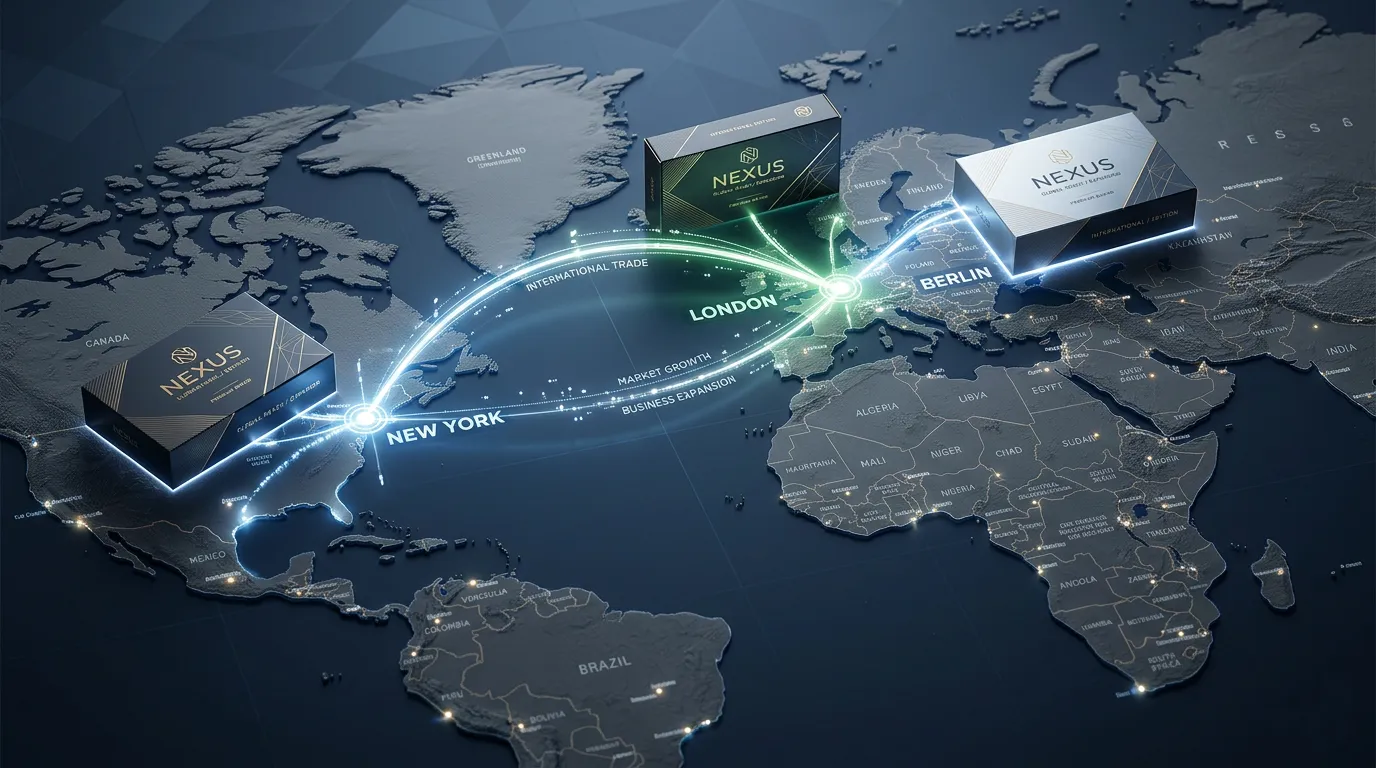
To scale a business globally, your brand must resonate beyond your local market. A brand that works locally may need adjustments for international audiences.
Elements of a Global Brand
Successful global brands typically have:
A clear mission
consistent visual identity
simple messaging
culturally neutral branding
For example, minimalist design and straightforward messaging often work well across regions.
Keep Messaging Universal
A message like:
“Helping small teams work smarter”
is easier to translate globally than complex cultural references.
Companies expanding from the US to Europe often simplify language and avoid slang that may confuse international audiences.
Protect Your Brand Legally
Before expanding internationally, consider:
trademark registration
domain name availability
intellectual property protection
This step becomes crucial as your global brand strategy grows.
Expand Through Digital Channels First
The internet has made global expansion dramatically easier. Many companies scale internationally before opening physical locations.
Start With Global E-Commerce
If you sell products, online stores allow you to reach customers globally. Platforms now support:
international payments
currency conversion
global shipping integration
For example: A small clothing brand in Australia can begin selling to customers in the US and Europe through online marketplaces.
Use Digital Marketing to Test Markets
Before committing to full expansion, test demand using digital campaigns. You can run targeted ads in:
the United States
the United Kingdom
Germany
France
Canada
If customers in a specific region respond strongly, that market may be worth deeper investment. This approach reduces risk while supporting small business international expansion.
Adapt Your Business to Different Markets

Global scaling does not mean copying the same strategy everywhere. Different regions have different expectations.
Key Differences Across Markets
When expanding internationally, consider: Customer behavior
European consumers often prioritize sustainability.
US customers may prioritize convenience and speed.
Payment methods
Credit cards dominate in the US.
Bank transfers or digital wallets are common in Europe.
Pricing expectations For example:
A product priced at $40 USD might be priced around €35–€38 EUR depending on taxes and logistics.
Localization vs Standardization
You must decide what to adapt. Standardize:
brand identity
core product features
company values
Localize:
language
marketing campaigns
customer service
Balancing these elements is key when expanding a business internationally.
Build Strategic Partnerships
Partnerships can dramatically accelerate global growth. Instead of entering a new market alone, collaborate with organizations that already understand it.
Types of Partnerships That Help Scaling
Distribution partners Local distributors help bring products into retail markets. Marketing collaborations Influencers or media platforms can introduce your brand to new audiences.
Technology integrations Software companies often partner with larger platforms to access global customers. For example:
A productivity app developed in Eastern Europe might integrate with widely used business platforms to reach customers in the United States and the UK.
Strategic partnerships reduce the time and cost needed to build a global brand.
Strengthen Logistics and Operations
As your company grows internationally, operations become more complex. Shipping, taxes, regulations, and customer expectations vary by region.
Logistics Considerations
Businesses scaling internationally must manage:
global shipping costs
import duties and taxes
delivery timelines
returns and refunds
For instance, shipping from the US to Europe may involve customs duties depending on product type.
Consider Regional Fulfillment
Many scaling companies eventually use regional fulfillment centers. Example:
US warehouse for North America
EU warehouse for Europe
This reduces shipping time and cost while improving customer experience.
Manage Finances Carefully During Expansion
Global growth can increase revenue but also introduces financial complexity.
Plan for Key Financial Factors
Important considerations include:
currency fluctuations
international tax regulations
payment processing fees
logistics costs
For example, a product sold for $50 USD in the US may generate slightly different margins when sold in £40 GBP in the UK due to shipping, VAT, and exchange rates.
Track Key Metrics
As you scale a business globally, monitor:
customer acquisition cost (CAC)
lifetime customer value (LTV)
international shipping costs
market-specific conversion rates
These metrics help determine which markets deserve more investment.
Avoid Common Scaling Mistakes
Many businesses struggle during expansion because they grow too quickly without planning.
Mistake 1: Scaling Before Product-Market Fit
If customers aren’t strongly engaged locally, international expansion will magnify the problem.
Mistake 2: Ignoring Cultural Differences
Marketing messages that work in the US may feel ineffective in parts of Europe. Research local preferences before launching campaigns.
Mistake 3: Overcomplicating Operations
Trying to enter too many countries at once can overwhelm small teams. Instead: Expand region by region.
Mistake 4: Losing Brand Identity
Rapid growth sometimes leads to inconsistent messaging or diluted values. Successful companies keep their core brand identity consistent across markets.
The Path From Local Shop to Global Brand
Scaling a company internationally is one of the most exciting challenges in business. But it rarely happens overnight. Businesses that successfully scale a business globally usually follow a clear path:
Build a strong local foundation
Develop repeatable systems
Strengthen brand identity
Expand digitally first
Test international markets
Localize strategically
build partnerships
optimize logistics and finances
The companies that succeed treat global growth as a long-term strategy rather than a quick expansion.
If you’re building a business today, the opportunity is larger than ever. Technology, e-commerce, and digital marketing make it possible for even small companies to reach customers globally.
Start by strengthening your systems, understanding your audience, and testing new markets gradually.
The journey from local shop to global brand doesn’t happen by chance — it happens through consistent strategy, smart scaling, and a willingness to learn from every market you enter.